

—
🚀 Hooking You In: Why the School Run Deserves a Makeover
If you’ve ever found yourself stuck in a sea of brake lights, juggling a coffee, a briefcase, and a sleepy child on the way to school, you know the school run can feel like an Olympic sprint—only without the medals. Yet, this daily ritual is more than just a logistical chore; it’s a vital touchpoint for your child’s safety, your family’s routine, and even the environment.
In this 2,000‑word guide we’ll unpack proven, actionable tactics to transform the school run from a frantic scramble into a smooth, stress‑free, and eco‑friendly part of your day. Whether you’re a solo parent, part of a car‑pool crew, or a school‑bus coordinator, the tips below will help you reclaim precious minutes, keep your kids safe, and reduce your carbon footprint—all while staying on budget.
—
1️⃣ Planning the Perfect School Run Blueprint
1.1 Map Out Your Route Like a Pro
The first step to a seamless morning (and afternoon) school run is route optimization. Use free tools like Google Maps, Waze, or the dedicated School Run Planner apps that factor in real‑time traffic, construction zones, and school zone speed limits.
Actionable Steps:
| Step | What to Do | Why It Matters |
|——|————|—————-|
| 1 | Input your home address and school location into a navigation app. | Identifies the fastest route. |
| 2 | Enable “Avoid Highways” or “Avoid Toll Roads” if you prefer quieter streets. | Reduces stress and potential hazards. |
| 3 | Save the route as a favorite for one‑click access each morning. | Saves time and eliminates decision fatigue. |
| 4 | Review the route weekly for any new roadworks or changes in school zone timings. | Keeps you ahead of unexpected delays. |
1.2 Build a Time Buffer (The 10‑Minute Rule)
Even the best‑planned route can be derailed by a sudden rainstorm or a school bus breakdown. Add a 10‑minute buffer to your departure time. This cushion not only prevents tardiness but also gives you breathing room to handle last‑minute hiccups—like a forgotten lunchbox.
Pro Tip: Set a “Ready‑Set‑Go” alarm on your phone for the exact moment you need to leave the house, not the time you think you should. This mental cue trains your brain to act promptly.
1.3 Create a Visual Morning Checklist
Kids thrive on routine. A magnetic checklist on the fridge (or a printable PDF on the kitchen wall) that includes:
- Backpack on the floor
- Shoes on the hook
- Lunchbox sealed
- Homework folder in the bag
- Water bottle filled
- Speed limit: Usually 15‑20 mph (25‑30 km/h).
- Stop signs: Must come to a complete stop at every school crossing.
- Pedestrian crossing: Yield to children crossing even if they’re not at a marked crosswalk.
- Physical activity (30‑45 minutes of cardio).
- Reduced carbon emissions (zero fuel use).
- Social bonding among peers.
- Map out a safe walking route with crosswalks, sidewalks, and low‑traffic streets.
- Recruit parent volunteers to act as “captains” for each segment.
- Use a check‑in app (e.g., “Walking School Bus” or “Bicycle Share”) to track attendance and location for safety.
- Verify the pick‑up/drop‑off times to avoid missing the bus.
- Encourage your child to board and disembark safely (wait for the bus to stop completely, use the handrail, and stay seated until the bus stops).
- Lay out clothes on a chair.
- Pack the backpack with books and homework (double‑check the planner).
- Set the breakfast table (cereal bowls, spoons, juice).
- “Wow in the World” (STEM for kids).
- “Storynory” (classic tales).
- “Duolingo Podcasts” (beginner language immersion).
- Invest in waterproof backpacks and rain ponchos for kids.
- Keep a fold‑away umbrella in the car.
- Use anti‑slip shoe covers to prevent slips on wet pavement.
- Sync calendars: Add school calendar events to your digital calendar (Google, Outlook) with alerts.
- Set a “flex‑day” alarm 15 minutes earlier than usual on those dates.
- Coordinate with the school’s transportation office to ensure the bus is equipped (e.g., wheelchair lifts).
- Create a visual cue card for the driver indicating any specific instructions (e.g., “needs extra time to buckle”).
- Practice the route together during a low‑traffic time to build confidence.
Having a visual cue reduces morning arguments and speeds up the packing process.
1.4 Leverage Technology for Real‑Time Updates
Most schools now offer automated SMS alerts for traffic delays, road closures, or early dismissals. Sign up for these notifications, and consider a family group chat (WhatsApp, iMessage) for instant communication among car‑pool members.
—
2️⃣ Safety First: Protecting Your Little Passengers
2.1 Car Seat & Booster Seat Mastery
Even if your child is old enough to sit in the front seat, the safest place is the back seat. Follow these guidelines:
| Age/Weight | Recommended Seating | Installation Tips |
|————|——————–|——————-|
| 0‑2 years (up to 35 lb) | Rear‑facing infant seat | Use the LATCH system; angle the seat 30‑45° for a proper recline. |
| 2‑4 years (up to 40 lb) | Forward‑facing with harness | Tighten the harness so you can’t pinch any slack. |
| 4‑8 years (up to 80 lb) | Booster seat | Ensure the seat belt lies across the chest and hips, not the stomach. |
| 8+ years (over 80 lb) | Seat belt only | The lap belt should sit low on the hips; the shoulder belt should cross the middle of the chest. |
Quick Check: Before each trip, press the seat belt’s “click” – a firm snap means it’s locked correctly.
2.2 Master the School Zone Rules
Actionable Drill: Practice a “school zone walk‑through” on the weekend. Drive the route at normal speed, then repeat at the reduced school‑zone speed while counting the number of children you see. This builds muscle memory for safe driving.
2.3 Teach Kids Road Awareness
Even with a responsible driver, kids need to understand safe behavior. Conduct a quick “road safety quiz” each week:
1. What do the flashing yellow lights mean?
2. When should you look both ways before crossing?
3. Where should you stand when waiting for the school bus?
Reward correct answers with a small sticker or extra playtime—positive reinforcement goes a long way.
2.4 Emergency Preparedness Kit
Keep a mini‑first‑aid kit in the car (band‑aids, antiseptic wipes, and a small blanket). Also, store an emergency contact card with your child’s medical information, allergies, and a parent’s phone number. Place it in the back seat pocket where it’s easily reachable.
—
3️⃣ Eco‑Friendly School Run Solutions
3.1 Car‑Pooling: The Green Gold Standard
Sharing rides reduces traffic congestion, cuts emissions, and can even lower fuel costs for everyone involved.
How to Set Up a Car‑Pool:
1. Identify Neighbors with children attending the same school (use school newsletters, community boards, or a simple “Who’s in my block?” flyer).
2. Create a Schedule using Google Sheets, assigning each parent a “driving day” and “passenger day.”
3. Establish Ground Rules (e.g., no smoking, no eating, punctuality expectations).
Bonus: Many municipalities offer car‑pool lanes or reduced parking fees for shared rides—check your local government website.
3.2 Walking & Biking: The Health Boost
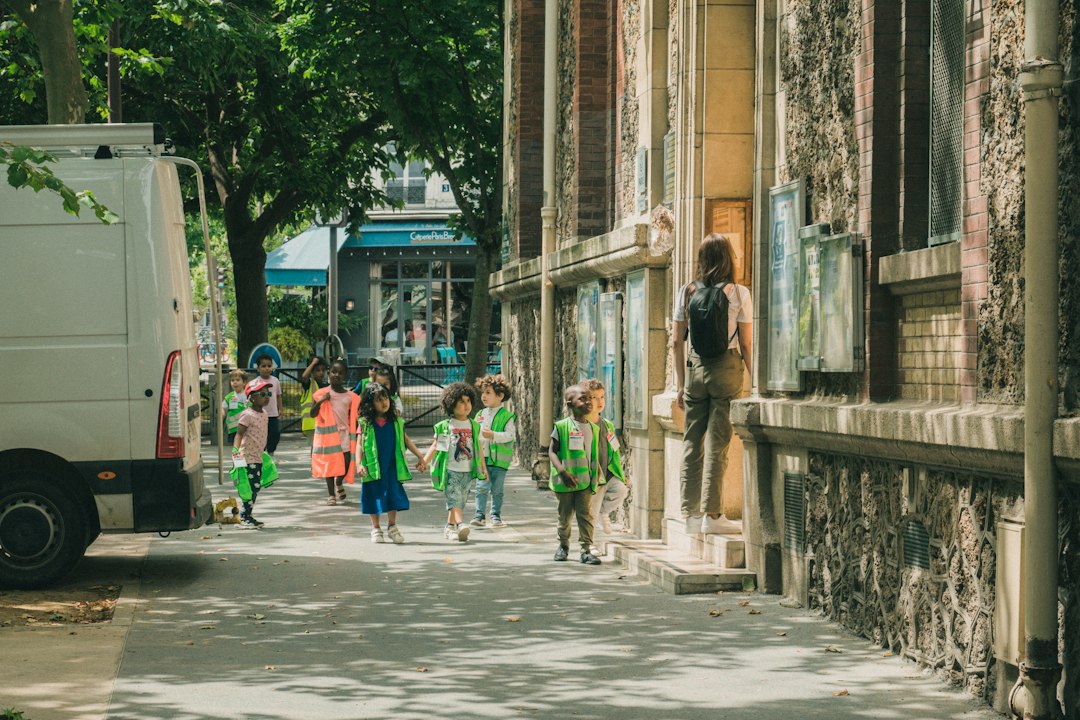
If the school is within a safe, walkable distance (typically 1‑2 miles/1.5‑3 km), consider a walking school bus—a group of children walking together under adult supervision. Benefits include:
Implementation Tips:
3.3 Public Transportation & School Buses
Many districts run dedicated school buses that are more fuel‑efficient than multiple private cars. If your child’s school offers a bus service:
If public transit is an option, purchase a monthly pass—often cheaper than daily fares and encourages consistent use.
3.4 Green Driving Habits for Solo Drivers
When you must drive alone, adopt these eco‑friendly habits:
| Habit | Fuel Savings | CO₂ Reduction |
|——-|————–|—————|
| Accelerate gently (avoid “floor‑it”) | Up to 15% | 0.2 kg per 10 km |
| Maintain tire pressure (check monthly) | 3% | 0.05 kg per 10 km |
| Turn off engine at idle > 30 sec | 0.5 L per hour | 1.2 kg per hour |
| Use cruise control on highways | 2% | 0.03 kg per 10 km |
Even small changes add up over a school year.
—
4️⃣ Time‑Management Hacks for the Busy Parent
4.1 The “Night‑Before” Routine
Preparation the night before is the secret sauce for a calm morning.
Result: You shave off 10‑15 minutes of frantic searching, giving you a smoother departure.
4.2 Streamlined Breakfast Ideas
A nutritious breakfast fuels both brain and body, but you don’t need a five‑course meal. Try these 5‑minute power breakfasts:
| Option | Ingredients | Prep Time |
|——–|————-|———–|
| Overnight Oats | Rolled oats, milk, berries, honey | 5 min (night before) |
| Greek Yogurt Parfait | Yogurt, granola, sliced banana | 3 min |
| Egg‑Muffin Cups | Egg, cheese, spinach, muffin tin | 10 min (make a batch) |
| Smoothie Pack | Frozen fruit, spinach, protein powder | 2 min (blend) |
| Whole‑grain Toast + Avocado | Bread, mashed avocado, lemon | 4 min |
Prep the ingredients in portion‑controlled containers so you can grab and go.
4.3 Multi‑Tasking with Audio Learning
Turn car time into learning time. Use audio books, podcasts, or language lessons while driving (hands‑free, of course). This adds educational value without extra screen time for kids.
Recommended Resources:
4.4 Stress‑Reduction Techniques for Parents
1. Deep‑Breathing Pause: Before you step into the car, inhale for 4 seconds, hold for 4, exhale for 6. This reduces cortisol spikes.
2. Positive Mantra: Repeat a short phrase like “I’ve got this” or “Smooth sailing today.”
3. Micro‑Exercise: Do 5 squats while waiting for the school bus to load. It boosts endorphins and improves circulation.
—
5️⃣ Adapting the School Run for Special Situations
5.1 Rainy Day Strategies
5.2 Managing Late‑Start or Early Dismissal Days
Schools sometimes adjust schedules for professional development days or inclement weather.
5.3 Supporting Children with Special Needs
If your child requires additional assistance (mobility aids, sensory considerations, etc.):
—
🎯 Conclusion: Key Takeaways for a Smarter School Run
| Takeaway | Action |
|———-|——–|
| Plan & Buffer | Map the route, add a 10‑minute buffer, and set a “ready‑set‑go” alarm. |
| Prioritize Safety | Use age‑appropriate car seats, obey school‑zone rules, and keep a mini‑first‑aid kit. |
| Go Green | Car‑pool, walk, bike, or use school buses; adopt eco‑driving habits. |
| Master Time Management | Night‑before prep, quick breakfast ideas, audio learning, and stress‑busting mini‑routines. |
| Adapt for Weather & Special Needs | Keep waterproof gear, sync school calendars, and customize support for special‑needs children. |
By integrating these strategies, you’ll transform the school run from a daily source of stress into a well‑orchestrated, safe