

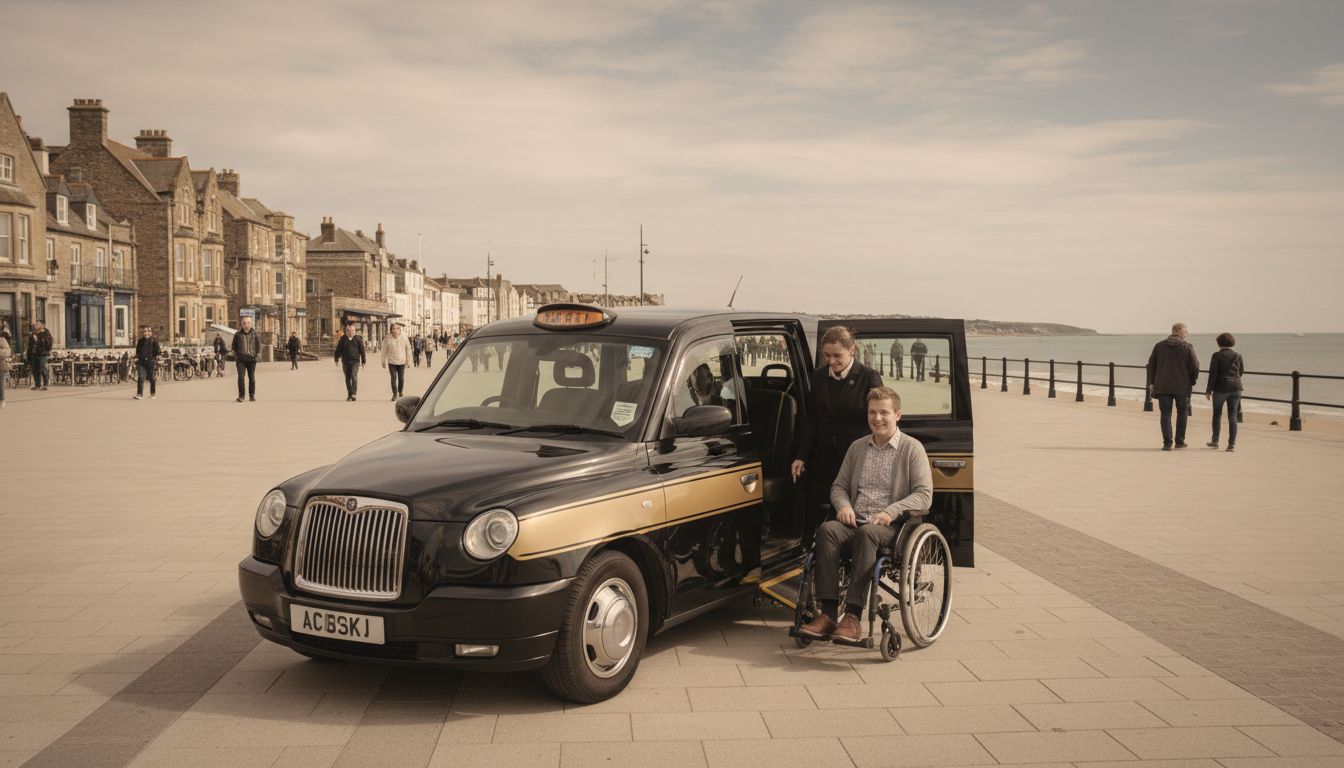
Accessible transport is improving across the UK as councils combine clearer policy goals with practical fleet investment. For passengers with mobility impairments, that means more than newer vehicles. It means lower floors, safer boarding, wheelchair spaces, better stop information, improved interchanges, and services designed around real everyday journeys.
For residents and visitors in places like Wimborne and across Dorset, these changes matter because accessible travel depends on the whole journey working well. From booking and boarding to getting updates en route, good policy and better vehicles can make transport more dependable, more dignified, and far less stressful for wheelchair users, older passengers, and anyone who needs extra support.
Council policy is shaping more inclusive travel
One of the biggest reasons accessible transport is improving is that councils are now treating inclusion as a core transport objective rather than an afterthought. The Isle of Wight’s long-term transport plan, for example, sets out an “inclusive, accessible, and affordable transport network for all,” with an implementation route map stretching to 2040. That kind of policy commitment helps turn accessibility from a one-off project into a long-term standard.
Elsewhere, East Sussex has committed to making all county stations fully accessible, improving interchange through mobility hubs, and supporting demand-responsive and community transport. This shows how local authorities are looking beyond single bus routes and thinking about complete journeys, especially for people who may need step-free access, shorter walking distances, or flexible pick-up options.
Surrey’s 2026 transport plan follows the same direction by prioritising accessible mobility hubs and safe, affordable alternatives to private car travel. For many passengers with mobility impairments, accessible transport is not only about convenience but about independence. When councils build policy around safe and inclusive movement, they help more people travel with confidence to shops, appointments, stations, events, and airports.
Fleet upgrades are making vehicles easier to use
Newer fleets are having an immediate effect on the passenger experience. In West Yorkshire, regional leaders approved a £6.5 million investment to replace the AccessBus fleet with brand-new, fully accessible, ultra-low emission buses. Because AccessBus provides door-to-door travel for older passengers, vulnerable people, and those with extra mobility needs, the fleet change is especially important for people who rely on supported transport rather than standard bus routes.
Leicestershire has also invested heavily, introducing a £3 million minibus fleet as part of a 20-year replacement programme. The council said the aim was to keep vehicles modern, efficient, and accessible. While reliability may sound like a general benefit, it is especially valuable for passengers with mobility impairments, who may face greater disruption if a vehicle breaks down or if a planned accessible journey falls through.
In Kent, Dover’s first fully electric bus fleet entered service with low-floor access, dedicated wheelchair spaces, digital information screens, and charging points at every seat. These features improve comfort for all passengers, but they also make a real difference for people who need simpler boarding, secure wheelchair positioning, and clear information during travel. Better fleet design supports both physical access and peace of mind.
Low-floor design and wheelchair spaces remove key barriers
For many passengers, the most important accessibility improvements are the most practical ones. Low-floor buses reduce the challenge of boarding and leaving the vehicle, especially for wheelchair users, people with walkers, elderly passengers, and those with limited balance or strength. Surrey County Council notes that local services are generally operated with low-floor fully accessible buses, making travel easier not just for wheelchair users but also for people using mobility scooters, buggies, or carrying heavy shopping.
Dedicated wheelchair spaces are another crucial feature. Without them, even a bus that technically allows boarding may not offer a safe or dignified journey. Properly designed spaces help passengers travel securely, while also making expectations clearer for drivers and other passengers. This reduces uncertainty and can make public transport feel more welcoming to those who may previously have avoided it.
These design choices also improve transport for companions, carers, and family members. Accessibility is rarely a solo issue. A smoother ramp, a simpler layout, and enough room to manoeuvre can make a journey less stressful for everyone involved. That is why accessible transport works best when vehicle design is treated as an essential service standard, not a specialist add-on.
Accessible information is improving confidence during travel
Physical access is only one part of an inclusive journey. Information matters as well, especially for passengers with sight or hearing impairments, cognitive difficulties, or anxiety about unfamiliar routes. The Department for Transport’s Public Service Vehicles (Accessible Information) Regulations 2023 now require local buses and coaches to display and announce route, direction, and stop information. This is a major step in making transport more usable and predictable.
Digital passenger information is becoming more common as fleets are upgraded. Kent’s electric buses include on-board information screens, while councils such as Warwickshire are investing in real-time information, better ticketing, and bus-stop improvements as part of wider plans to build a modern, reliable, accessible network. These upgrades help passengers know where they are, what stop is next, and whether connections are likely to work.
In Dorset, the 2025/26 bus grant programme includes funding to replace real-time displays with modern devices and add information totems at bus stops and interchanges. For local passengers and visitors, clear information can remove a major barrier to travel. It helps people plan with more certainty, reduces the fear of missing a stop, and supports more independent travel across the county.
Infrastructure and interchanges are becoming more accessible
Even the best accessible vehicle cannot solve every problem if the stop, station, or interchange is difficult to use. That is why many councils are linking fleet upgrades with infrastructure improvements. East Sussex has highlighted fully accessible stations and better interchange through mobility hubs, while Surrey is working toward fully accessible mobility hubs near rail and bus stations.
These hubs matter because transport accessibility often breaks down between services rather than on them. A passenger may be able to board a bus but still struggle with crossing points, kerb heights, shelter access, signage, or the distance between bus and rail connections. Well-designed interchanges reduce those pain points and make linked journeys far more realistic for people with mobility impairments.
Aberdeenshire’s passenger transport strategy also connects infrastructure design with accessibility needs, while encouraging long-term fleet conversion. That joined-up approach is increasingly important. Better pavements, clearer layouts, safer waiting areas, and easier transfer points all support the same goal as accessible vehicles: making travel practical, reliable, and less exhausting.
Demand-responsive and community transport fill important gaps
Not every passenger can easily use a fixed-route bus network, even when mainstream services improve. Demand-responsive and community transport therefore remain essential. East Sussex has specifically committed to supporting demand-responsive and community transport, recognising that flexibility can be just as important as vehicle design for people with extra mobility needs.
West Yorkshire’s AccessBus is a strong example of this approach in action. Because it offers door-to-door service, it helps passengers who may find conventional stops, walking distances, or interchanges difficult. The £6.5 million fleet replacement there shows that specialist transport is still a vital part of accessible mobility, especially for older and vulnerable users.
Leicestershire’s 2025/26 Bus Service Improvement Plan also references community transport fleet support and accessible vehicles, showing how policy and fleet investment can work together. When councils support both mainstream buses and specialist services, they create a more complete network for people whose needs vary from journey to journey.
Cleaner vehicles can support better accessibility too
Fleet renewal is often discussed in environmental terms, but cleaner vehicles can also improve accessibility. Newer buses tend to come with better layouts, improved suspension, quieter operation, and more modern passenger features. In Kent, Dover’s fully electric fleet combines zero-emission technology with low-floor access and wheelchair spaces, showing how sustainability and inclusion can move forward together.
The Isle of Wight has also linked zero-emission bus investment to accessibility and infrastructure improvements through ZEBRA Round 2 funding secured with Southern Vectis. This demonstrates that decarbonisation does not have to compete with accessibility. In many cases, replacing older fleets gives operators the chance to improve both at once.
For passengers, the result is often a smoother and more comfortable journey. Less noise, easier boarding, and more dependable modern systems all contribute to a better experience. When councils upgrade fleets thoughtfully, they can deliver benefits that are greener, more reliable, and more inclusive at the same time.
What this means for passengers in Dorset and beyond
For people travelling in Dorset, these national and regional examples point to a clear trend. Councils are increasingly using funding, service planning, information systems, and vehicle replacement programmes to improve accessible transport in practical ways. Dorset Council’s investment in real-time information and passenger-facing infrastructure, along with BCP Council’s 2025/26 focus on bus enhancements and accessibility, shows that local progress is part of a wider movement.
That matters to wheelchair users, elderly passengers, people with special mobility needs, and visitors unfamiliar with the area. Better public transport accessibility can make it easier to reach town centres, hospitals, transport hubs, and leisure venues. It also supports the wider travel network by making connections with taxis, community transport, and pre-booked accessible rides more straightforward.
For many journeys, especially those involving airports, events, medical appointments, or door-to-door requirements, a dependable wheelchair accessible taxi still plays an essential role. Public transport improvements are valuable, but they work best alongside local services that can offer direct, tailored support when fixed routes or timetables are not the right fit.
The overall picture is encouraging. Across the UK, council policy and fleet upgrades are improving transport for passengers with mobility impairments by making travel more accessible, better informed, and more reliable. From low-floor buses and wheelchair spaces to mobility hubs and real-time information, these changes are helping remove barriers that once made everyday journeys much harder.
For passengers in Wimborne, Dorset, and beyond, accessible transport is becoming more practical when councils, operators, and local transport providers all play their part. The best outcomes come from joined-up thinking: inclusive policy, modern vehicles, accessible infrastructure, and dependable door-to-door services that ensure everyone can travel with greater comfort, safety, and confidence.