

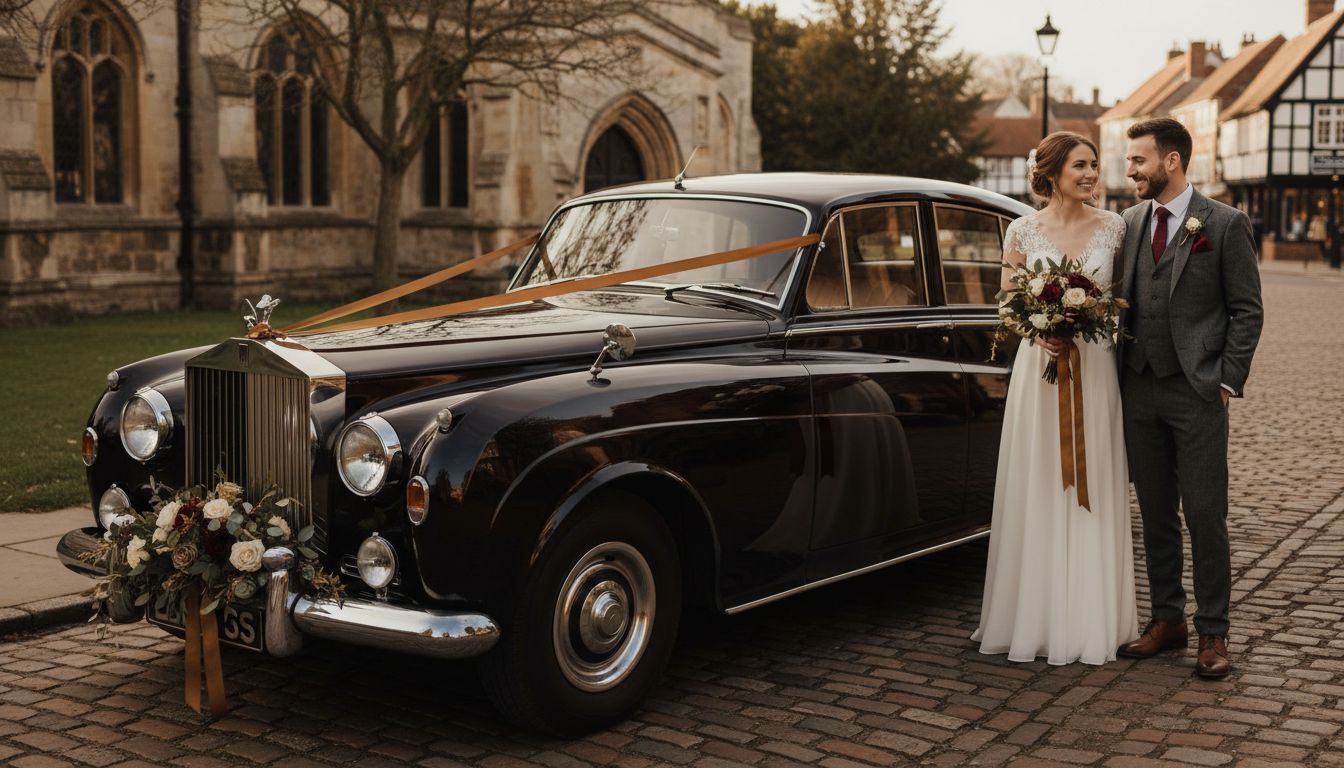
Across Dorset, couples are looking at wedding transport in a more practical and guest-focused way. While the classic car still has its place, many big-day plans now start with a different question: how will everyone get where they need to be comfortably, on time, and with as little stress as possible? In a county where venues can be beautifully rural and spread out, transport has become a key part of the overall wedding experience rather than just a stylish arrival.
This shift reflects both changing expectations and real-world logistics. Dorset wedding transport providers increasingly promote minibuses, people carriers, wheelchair-accessible vehicles, guest shuttles, and whole-day support alongside bridal cars. For many couples, wedding transport in Dorset is no longer just about a photo moment. It is about making sure the day runs smoothly for the couple, the wedding party, and the full guest list.
From showpiece cars to full-day planning
For years, wedding transport was often imagined as a single highlight: the couple arriving in a beautiful vehicle for a memorable entrance. That image still appeals, and there is no reason it should disappear. However, Dorset couples are increasingly broadening the idea of transport to include everything that happens before and after that moment.
Local provider messaging reflects this change clearly. Wedding transport is now presented as something that should “run smoothly,” with support not only for the happy couple but for guests as well. That practical framing matters, because it recognises that a wedding day involves multiple journeys, different timings, and a range of passenger needs.
Instead of treating travel as a last-minute booking, couples are building it into the structure of the day. They are planning arrivals, venue transfers, hotel runs, and return journeys as part of the event itself. In many cases, transport is becoming a quiet but essential part of good wedding hosting.
Why Dorset geography changes the conversation
Dorset’s setting is one of the main reasons transport planning matters so much. Dorset Council describes the county as 69% rural, with a population of 380,000. That means many popular wedding venues sit in countryside locations, with longer travel gaps between ceremony sites, reception spaces, hotels, and guest accommodation.
For couples getting married in market towns, villages, or more remote beauty spots, public transport may not be practical for every guest. Evening services can be limited, routes may not line up with wedding timings, and visitors unfamiliar with the area can find rural travel more difficult than expected. A well-planned transport arrangement helps remove those common pressures.
This rural reality is also why guest shuttles, taxis, and people carriers are being considered more seriously. Couples are not only choosing what looks good in photographs. They are choosing what works in Dorset. In many cases, the best transport choice is the one that keeps the day moving easily across a spread-out county.
Guest comfort and accessibility are moving higher up the list
One of the clearest changes in wedding transport in Dorset is the stronger focus on guest comfort and inclusivity. Couples are increasingly aware that the day should work well for everyone attending, including elderly relatives, wheelchair users, guests with additional needs, and anyone who may find long walks, uneven venue access, or multiple car changes difficult.
That is why accessible options are becoming a more visible part of local wedding transport services. CWRC Taxis, for example, highlights a range of cars, people carriers, and wheelchair-accessible vehicles so that every guest can travel comfortably and with care. This kind of offer speaks to a wider shift in priorities, where accessibility is treated as part of thoughtful planning rather than an afterthought.
For many couples, this approach also brings peace of mind. When guests feel looked after, the whole day feels calmer and more welcoming. Good transport can help avoid avoidable stress, particularly for those travelling between accommodation and venue, or returning late in the evening after a long celebration.
Modern weddings need more flexible transport setups
Today’s weddings do not always follow one traditional structure, and transport plans are changing to match. Dorset operators increasingly refer to tailored arrangements rather than one standard bridal run. That can include separate journeys for different members of the wedding party, distinct timings, or transport split between several locations.
Dorset Dubhire, for instance, notes that couples may arrange one wedding group journey or additional trips for “two brides,” “two grooms,” or the groom’s party. This reflects a more modern and realistic understanding of how weddings are organised. Not every celebration starts from one household or follows one sequence of events.
Flexible planning allows transport to support the actual shape of the day instead of forcing the day around old assumptions. It can also make timings much easier to manage. If different people need to arrive at different moments, or if preparations are happening in separate places, a customised approach keeps everything more relaxed and better coordinated.
Morning-of travel is becoming part of the wedding plan
Another sign that couples are rethinking wedding transport in Dorset is the growing attention paid to the morning of the wedding. Transport is no longer only about the ceremony arrival or the evening journey home. It is increasingly being used to manage the hours before the event begins, when timing, nerves, and coordination are often most important.
Dorset Dubhire specifically says it can provide transport for whoever is getting ready at the venue, from home or accommodation to the venue. That detail may seem small, but it shows how couples are using transport to reduce stress and keep plans running to schedule. If hair, makeup, dressing, or venue prep are spread across locations, reliable travel becomes a real advantage.
Building morning transport into the wedding plan can also help avoid common delays. Instead of relying on several private cars and hoping everyone arrives together, couples can arrange clear journeys for key people. That often leads to a smoother start, fewer last-minute calls, and a calmer atmosphere for everyone involved.
Style still matters, but it now has to work harder
None of this means couples have lost interest in beautiful wedding vehicles. In Dorset, classic VW campervans and Beetles are still promoted as part of the charm of the day, and many couples love the relaxed, photogenic feel they bring. The difference is that style is increasingly being expected to serve more than one purpose.
Some transport choices now double as part of the wedding experience itself. A classic vehicle can provide memorable photographs, a more enjoyable journey for the couple, and a talking point for the wedding party. Rather than being selected purely for appearance, it is being chosen because it adds atmosphere while still fitting the practical plan.
This balance between aesthetics and usefulness is at the heart of the current shift. Couples are not rejecting the romance of wedding transport. They are simply asking more from it. If a vehicle can look special and help the day flow better, it becomes a far more valuable part of the celebration.
Budget awareness is shaping smarter decisions
Cost is another important reason couples are reassessing transport choices. According to Bridebook’s 2026 wedding-cost guidance, the average amount UK couples spend on wedding transport is £593. That figure helps explain why many people are comparing options more carefully and asking what kind of booking gives the best overall value.
For some, that may mean choosing a classic car only for the couple and arranging practical guest transport separately. For others, it may mean deciding that a minibus, taxi plan, or people carrier setup does more to support the day than a single showpiece journey. When budgets are under pressure, transport decisions become more strategic.
This does not necessarily mean spending less. Often, it means spending more wisely. A well-planned transport package can prevent delays, reduce parking problems, support accessibility, and improve the guest experience. Many couples now see that value as just as important as appearance.
A wider Dorset transport shift is influencing expectations
The way couples think about wedding travel is also happening within a broader local transport conversation. Dorset Council’s draft Local Transport Plan 2026,2041 aims to improve connectivity between rural and urban areas and increase the attractiveness of public transport as a travel choice. That reflects a wider regional interest in safer, greener, and more connected travel.
Dorset Council has also said that £33 million has been committed for 2026/27 to support highways maintenance, bus services, active travel, and other priorities. While this is not wedding-specific, it helps show that movement across the county is an active planning issue. Better infrastructure and clearer local transport support can influence how guests reach venues and accommodations.
Another useful development is the updated Community Transport Directory 2026, which shows local services are being formalised and promoted. For some couples, especially those planning rural celebrations or looking for nontraditional travel arrangements, this points to a broader range of options and a more organised local transport landscape.
The guest journey is now part of the wedding experience
Perhaps the biggest change is that transport is no longer just about the couple’s arrival. Across Dorset, wedding transport pages now talk about whole-day support, guest shuttles, photo stops, and return journeys. That reflects a more complete understanding of what good hosting looks like on a wedding day.
When guests know how they are getting to the venue, moving between locations, and returning safely afterwards, the entire event feels better organised. People can relax more, enjoy themselves, and focus on the celebration rather than on directions, parking, or late-night travel worries. For couples, that can make a major difference to the atmosphere of the day.
In this sense, wedding transport in Dorset is being redefined as part logistics, part hospitality, and part experience. It still includes style, but it is increasingly guided by punctuality, comfort, accessibility, and thoughtful coordination. That practical mindset is helping couples create celebrations that feel both special and genuinely considerate.
As Dorset couples continue to plan weddings in a more flexible and guest-aware way, transport is likely to stay high on the checklist. Rural venues, varied guest needs, and changing wedding formats all point in the same direction: travel arrangements matter more than they once did, and a smart plan can improve the day for everyone involved.
For couples, families, and event organisers, the lesson is simple. The best wedding transport in Dorset is not always the most traditional option. It is the one that helps the day run smoothly, supports comfort and accessibility, and gives every guest a better journey from start to finish.