

Introduction: Why the Hackney Carriage Still Captivates the World
Picture this: a sleek black cab glides through the bustling streets of London, its driver expertly navigating the maze of one‑way systems while a passenger watches the city’s landmarks flash by. It’s a scene that has become synonymous with British culture, tourism, and urban mobility. Yet, beyond the iconic silhouette lies a fascinating story of legislation, technology, and opportunity that many riders and aspiring drivers never fully appreciate.
If you’ve ever wondered what a hackney carriage really is, how it differs from a regular taxi, or what it takes to sit behind the wheel of one of these legendary vehicles, you’re in the right place. This comprehensive, 2,000‑word guide dives deep into the origins, legal framework, driver qualifications, modern innovations, and future trends shaping the hackney carriage industry today. By the end, you’ll have actionable insights whether you’re a curious commuter, a potential cab driver, or a city planner looking to learn from London’s best‑practised public transport model.
1. The Rich History of the Hackney Carriage
From Horse‑Drawn Hackneys to Motorised Black Cabs
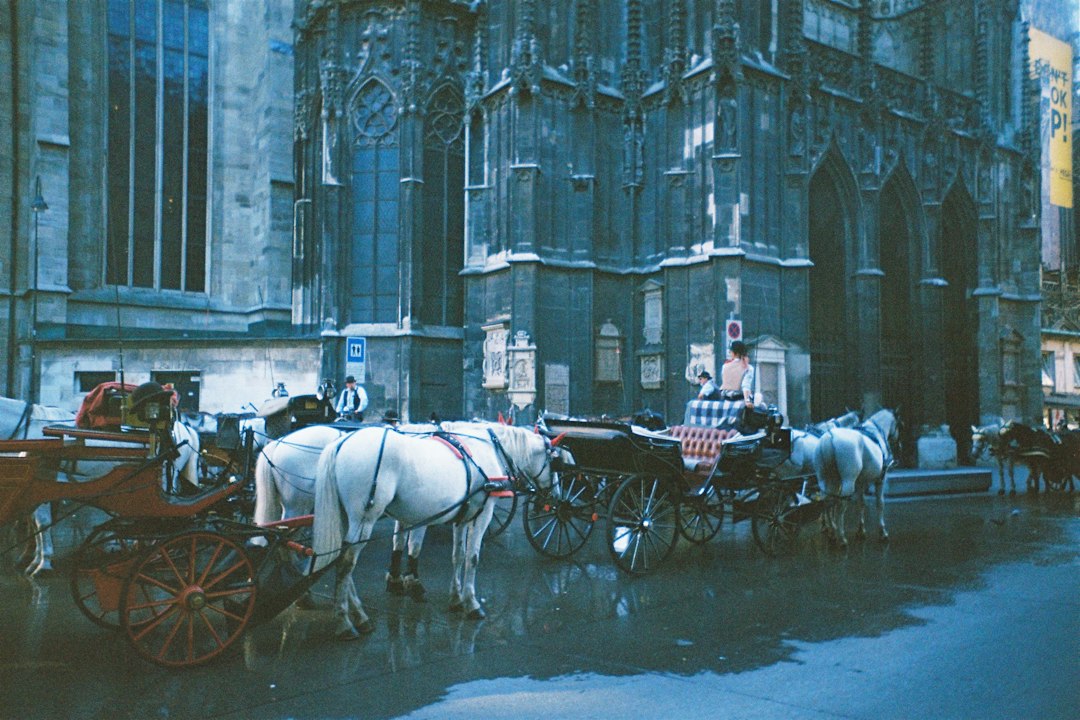
The term “hackney carriage” dates back to the early 17th century. Originally, “hackney” referred to a horse available for hire in the London suburb of Hackney. By the 1600s, the phrase evolved to describe a carriage for hire, regulated by the city’s authorities to protect passengers from unscrupulous operators.
- 1662 – The first official licensing act, the London Hackney Carriage Act, required drivers to display a distinctive sign and pay a fee to the City of London.
- 1830s – The advent of the omnibus (horse‑drawn bus) pushed hackney drivers to specialize in point‑to‑point transport, cementing their role as the city’s primary on‑demand service.
- 1902 – Motorised hackney carriages entered the market, replacing horse‑drawn rigs while retaining the same licensing framework.
- Time Investment: The Knowledge typically takes 2–4 years of dedicated study.
- Financial Outlay: Expect £2,000‑£3,000 for study materials, tuition, and exam fees, plus vehicle costs (≈ £30,000 for a new wheelchair‑accessible cab).
- Lifestyle Fit: Long hours, irregular shifts, and the need for continuous learning are part of the job.
- Chunk the City: Divide London into 20–30 “zones” (e.g., Central, West End, Southwark). Master one zone before moving to the next.
- Use Mnemonics: Create vivid stories linking streets, landmarks, and junctions. The more bizarre the image, the easier it sticks.
- Practice with Real‑World Rides: Volunteer to drive for a friend or a small fleet; real traffic conditions cement your mental map.
- Mock Exams: Schedule regular oral exams with a certified assessor. Early feedback highlights weak spots before the final test.
- New vs. Used: New TX models come with a 5‑year warranty and meet the latest emissions standards, but a well‑maintained Morris can be cheaper.
- Financing Options: Many drivers lease cabs through London Taxi Company or use Hire Purchase plans with low monthly payments.
- Essential Features: Ensure the cab has a wheelchair ramp, a built‑in GPS that integrates with TfL’s Real‑Time Information system, and a taximeter calibrated to TfL rates.
- Submit Your Licence: Upload all documentation to the TfL portal.
- Insurance: Obtain a Commercial Motor Insurance policy that covers passenger liability and vehicle damage.
- Join a Fleet: Many new drivers start with a fleet operator (e.g., Addison Lee’s black‑cab division) to get initial fares and mentorship.
- [ ] Complete “The Knowledge” study plan (timeline).
- [ ] Book medical and DBS checks.
- [ ] Secure financing for a wheelchair‑accessible cab.
- [ ] Register vehicle for VT inspection.
- [ ] Apply for the Hackney Carriage Driver’s Licence.
- [ ] Sign up with a fleet or go independent.
- Zero‑Emission Zones (ZEZ): London’s Ultra Low Emission Zone (ULEZ) charges high‑polluting vehicles. Electric black cabs (e.g., TX eCity) are exempt, giving drivers a cost advantage.
- Total Cost of Ownership (TCO): While an electric cab can cost £45,000 upfront, fuel savings (≈ £2,500/year) and lower maintenance (fewer moving parts) often result in a 5‑year payback.
- Charging Infrastructure: TfL is expanding rapid‑charge stations at major taxi ranks, reducing downtime.
- TfL’s “Taxi and Private Hire” App – Provides real‑time cab availability, fare estimates, and route optimisation.
- Smart Taximeters – Sync with the app to automatically log fares, reduce cash handling, and generate end‑of‑day reports for tax filing.
- Passenger Rating Systems – Similar to ride‑hailing apps, passengers can rate drivers, encouraging higher service standards.
- Avoid Congestion – Live traffic feeds suggest alternate routes, reducing journey time by up to 15% during peak hours.
- Predict Demand – Heat‑map analytics show where ride requests surge, allowing drivers to position themselves strategically.
The iconic London black cab as we know it today emerged in the 1930s when the London Passenger Transport Board mandated a uniform black finish for all licensed hackney carriages. The design was later refined by the famed Morris Commercial and Austin manufacturers, producing the iconic FX and later the TX models that became cultural symbols.
Why the Name Still Matters
Even though modern ride‑hailing apps dominate many cities, the hackney carriage brand carries weight because:
1. Regulated Safety – Every cab must meet strict vehicle inspections and driver competency standards.
2. Accessibility – London’s black cabs are required by law to be wheelchair‑accessible, a feature many private hire vehicles lack.
3. Cultural Heritage – The black cab is featured in movies, literature, and tourism campaigns, reinforcing its status as a global icon.
Understanding this heritage helps passengers appreciate why a hackney carriage often commands a higher fare than a standard private hire car—it’s a product of centuries of regulation, safety, and brand equity.
—
2. Licensing, Regulations & What Sets a Hackney Carriage Apart
The Legal Framework – A Step‑by‑Step Overview
If you’re considering hiring a hackney carriage or becoming a driver, you need to know the regulatory landscape that separates it from “private hire” vehicles (e.g., Uber, Lyft). Below is a concise roadmap of the licensing process in London, which is mirrored in many UK cities with local variations.
| Step | What Happens | Key Authority |
|——|————–|—————-|
| 1. Vehicle Approval | The cab must pass the Vehicle Testing (VT) Scheme – a comprehensive inspection covering brakes, emissions, wheelchair access, and the famous “knowledge” of passenger comfort. | Transport for London (TfL) |
| 2. Driver’s Licence Application | Prospective drivers submit a Hackney Carriage Driver’s Licence (HCDL) application, providing proof of identity, residency, and a clean criminal record. | TfL |
| 3. The Knowledge Test | Known simply as “The Knowledge,” this is a rigorous 2‑year study of London’s streets, landmarks, and route planning. Candidates must pass a series of oral exams administered by seasoned assessors. | TfL |
| 4. Medical Examination | Drivers must undergo a full medical assessment (vision, hearing, cardiovascular health) to ensure fitness for long hours behind the wheel. | Approved Medical Practitioner |
| 5. Background Checks | Enhanced DBS (Disclosure and Barring Service) checks verify that drivers have no disqualifying criminal history. | DBS |
| 6. Insurance & Tax | Commercial motor insurance is mandatory, along with proper tax registration (VAT may apply depending on turnover). | HMRC & Insurance Providers |
| 7. Ongoing Compliance | Annual vehicle inspections, refresher training, and periodic health checks keep the licence active. | TfL |
Key Differences Between Hackney Carriage & Private Hire
| Feature | Hackney Carriage (Black Cab) | Private Hire (e.g., Uber) |
|———|——————————|—————————-|
| Legal Status | Regulated as a public carriage – can pick up passengers on the street without pre‑booking. | Regulated as a pre‑booked service – must be booked in advance. |
| Driver Qualification | Must pass The Knowledge (up to 4,000 streets) and medical checks. | Minimum driver licence + basic background check; no extensive route test. |
| Vehicle Standards | Mandatory wheelchair accessibility, emission standards, and periodic VT inspections. | Varies; many platforms have lower vehicle age requirements. |
| Fare Structure | Metered fares set by TfL, transparent and uniform across the city. | Dynamic pricing (surge) based on demand; rates set by the platform. |
| Safety Record | Historically low accident rates due to strict driver training. | Mixed safety record; depends on driver experience and platform policies. |
Understanding these distinctions helps passengers make informed choices and gives aspiring drivers clarity on the commitment required to operate a hackney carriage legally and profitably.
—
3. How to Become a Hackney Cab Driver – A Practical Roadmap
Becoming a London black cab driver is often portrayed as an insurmountable challenge, but with a clear plan, the journey is manageable. Below is a step‑by‑step guide packed with actionable tips to help you navigate the process efficiently.
3.1. Assess Your Commitment
If you’re ready, proceed to the next steps.
3.2. Choose a Learning Path
| Option | Description | Pros | Cons |
|——–|————-|——|——|
| Self‑Study | Purchase textbooks (e.g., The Knowledge: A Guide), use online maps, and practice routes alone. | Low cost, flexible schedule. | Requires high self‑discipline, slower progress. |
| Classroom Courses | Enroll in accredited schools like The Knowledge Academy or London Cab Academy. | Structured curriculum, peer support, mock exams. | Higher tuition (£1,200‑£2,000). |
| Hybrid | Combine online modules (e.g., Khan Academy’s London Geography) with occasional in‑person workshops. | Balanced cost and guidance. | Needs careful scheduling. |
Pro tip: Join a local Hackney Carriage Drivers’ Association (HCDA) forum. Members share shortcuts, mnemonic devices, and moral support—crucial for staying motivated.
3.3. Master “The Knowledge”
3.4. Pass the Exams
1. Oral Examination – You’ll be asked to plot routes between random points while the examiner watches your map navigation.
2. Medical Examination – Complete a full health check with an approved practitioner.
3. Background Check – Submit your DBS application; allow 4‑6 weeks for processing.
Tip: Keep a “cheat sheet” of common route variations (e.g., alternate paths when the Thames is closed) – they often appear in exams.
3.5. Acquire a Suitable Vehicle
3.6. Register with TfL & Start Working
Actionable Checklist
By following this roadmap, you’ll transition from novice to licensed hackney driver with confidence and clarity.
—
4. Modern Innovations Shaping the Hackney Carriage
The hackney carriage is no longer just a black box on wheels; technology and sustainability are redefining its role in urban mobility. Below are the most impactful trends and how they benefit drivers, passengers, and the city.
4.1. Electric & Hybrid Black Cabs
Actionable tip for drivers: Apply for the London EV Scheme grant, which offers up to £5,000 toward the purchase of an electric hackney carriage.
4.2. Integrated Digital Platforms
Benefit for passengers: Transparent pricing, ability to pre‑book via the official TfL app, and real‑time tracking of the cab’s arrival.
4.3. Data‑Driven Route Optimisation
Using AI‑powered algorithms, modern black cabs can:
Driver tip: Enable the “Predictive Positioning” feature in your cab’s onboard system to maximise fare opportunities during rush
Leave a Reply