
—
Introduction – Why the Hackney Carriage Still Captivates the World
Picture this: you’re strolling through the bustling streets of London on a rainy afternoon. The iconic black cab pulls up beside you, its illuminated “TAXI” sign flickering in the drizzle. A courteous driver opens the door, offers a warm smile, and asks, “Where to, sir?” In that instant, a piece of living history rolls forward—an institution that has survived horse‑drawn hansom cabs, motorized revolutions, and the rise of ride‑hailing apps.
That’s the hackney carriage, often simply called the “black cab.” More than just a means of transport, it’s a cultural symbol, a legal framework, and a technological pioneer. Whether you’re a tourist trying to navigate a new city, a driver considering a licence, or a policy‑maker interested in urban mobility, understanding the hackney carriage ecosystem is essential.
In this 2,000‑word deep dive we’ll explore:
1. The rich history that shaped today’s hackney carriage.
2. Regulations and licensing that keep the service safe and reliable.
3. Practical tips on how to hail, book, and ride a hackney carriage.
4. Technology and modernization—from meter‑linked apps to electric cabs.
5. Future trends that could redefine the iconic black cab.
Grab a cup of tea, settle in, and let’s embark on a journey through the past, present, and future of the hackney carriage.
—
1. From Horse‑Drawn Hansoms to Modern Black Cabs – A Brief History
1.1 The Origin of the Word “Hackney”
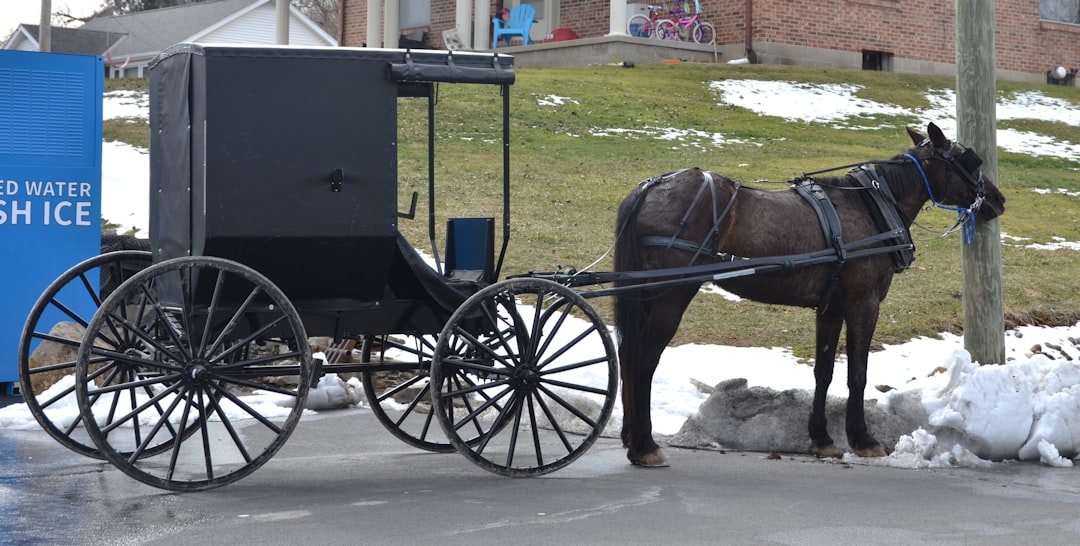
The term hackney dates back to the 16th‑century village of Hackney, now a borough of London. Originally, “hackney” referred to a horse available for hire. By the early 1600s the phrase hackney carriage described a horse‑drawn vehicle that could be hired for a short trip—essentially the precursor to today’s taxi.
1.2 The Rise of the Hansom Cab
In 1834, Joseph Hansom patented the Hansom cab, a lightweight, two‑person carriage with a low centre of gravity. Its design allowed drivers to sit higher, giving passengers a better view of the road and improving safety on the increasingly congested streets of Victorian London. By the 1860s, hansom cabs dominated the city’s streets, transporting everyone from factory workers to aristocrats.
1.3 Motorisation and the Birth of the “Black Cab”
The early 20th century ushered in motorised hackney carriages. In 1906 the London County Council (LCC) introduced the first purpose‑built motor taxi, the Morris Oxford—a four‑door, black‑painted vehicle that set the colour standard we still recognise today. The black paint wasn’t just aesthetic; it was practical, hiding soot and grime from coal‑fueled streets.
1.4 The London Cab Act of 1934
A pivotal moment arrived with the London Cab Act 1934, which formalised the London Taxi as a distinct vehicle type. The Act introduced strict dimensions, turning circles, and passenger capacity standards—requirements that still define the iconic “London black cab” silhouette.
1.5 The Modern Era: From the TX1 to the EV‑Powered TX4
Fast forward to the 1990s: the TX1 model, designed by the London Taxi Company (now Manningham Vehicles), combined a robust chassis with a spacious interior, meeting the 1934 regulations while adding modern comforts. Subsequent iterations—TXII, TX4, and the upcoming TX5—have integrated hybrid and fully electric powertrains, aligning the hackney carriage with today’s sustainability goals.
Key takeaway: The hackney carriage’s evolution reflects a continuous balance between tradition (design, regulations) and innovation (engine technology, passenger amenities).
—
2. Regulations & Licensing – What Keeps the Hackney Carriage Safe and Reliable
If you’ve ever wondered why you can trust a black cab to take you safely across town, the answer lies in a rigorous regulatory framework. Below we break down the most important components for drivers, passengers, and city planners.
2.1 The “Taxi” Licence vs. “Private Hire” Licence
| Feature | Hackney Carriage (Taxi) | Private Hire (e.g., Uber, Lyft) |
|———|————————|———————————|
| Legal definition | A vehicle licensed to pick up passengers on the street or at designated ranks | A vehicle that can only take pre‑booked passengers |
| Driver test | The Knowledge (London) or local equivalent | Basic driver qualification, background check |
| Meter requirement | Mandatory, calibrated by the local authority | Not required (fare agreed beforehand) |
| Regulatory body | Local council (e.g., Transport for London – TfL) | Private hire licensing authority |
In the UK, the Taxi and Private Hire Act 1997 separates these two services, ensuring that hackney carriages meet higher operational standards.
2.2 The Knowledge – The Ultimate Driver Test
In London, aspiring black‑cab drivers must pass The Knowledge of London, a 3‑year apprenticeship that requires memorising over 25,000 streets, 20,000 points of interest, and the quickest routes between them. The exam consists of:
1. Oral examinations – The assessor asks the candidate to plot routes verbally.
2. Written tests – Mapping and route‑planning under timed conditions.
3. Practical rides – Demonstrating route knowledge in real traffic.
Although intense, The Knowledge guarantees that drivers can navigate the city efficiently, even when GPS fails or during major disruptions.
2.3 Vehicle Standards – Size, Turning Circle, and Accessibility
Hackney carriages must meet specific physical criteria:
- Turning circle: 8.535 metres (28 ft) – essential for navigating narrow London streets.
- Dimensions: Maximum length 5.0 m, width 2.0 m, height 2.5 m.
- Accessibility: Since 2005, all new licences require wheelchair‑accessible vehicles with ramps or lifts.
- Safety equipment: Seat belts for all passengers, fire‑extinguishers, first‑aid kits, and a driver’s emergency button linked to the control centre.
- Upgrade to Euro 6 diesel, hybrid, or electric powertrains to avoid penalties.
- Participate in the Ultra Low Emission Zone (ULEZ) in London, paying daily charges if they exceed the limit.
- Public liability insurance (minimum £5 million) covering passenger injury.
- Vehicle insurance that complies with commercial vehicle standards.
- Enter your exact pick‑up location (use landmarks if GPS is unreliable).
- Specify any special needs (e.g., wheelchair access, child seat).
- Confirm the fare estimate—most apps display the meter‑based rate before you accept.
- Base fare – the initial charge once the meter starts.
- Distance travelled – measured in kilometres or miles.
- Time spent – a “waiting” rate applied when the vehicle is stationary or moving below a set speed (e.g., traffic jams).
- Contactless cards (e.g., Visa, Mastercard, Apple Pay) – swipe or tap on the driver’s card reader.
- Mobile wallets – Google Pay, Samsung Pay.
- Cash – still accepted, but many drivers prefer cashless transactions for safety.
- Seat belts: Always buckle up; UK law requires passengers to wear seat belts where fitted.
- Luggage: Place bags in the rear boot or on the floor—avoid blocking the driver’s view.
- Conversation: Drivers are trained to be courteous; feel free to ask about the city, but respect their privacy if they prefer quiet.
- Tip: While not mandatory, a tip of 10 % is customary for exceptional service.
- Match drivers with nearby requests using GPS algorithms.
- Monitor driver availability in real time, reducing idle time.
- Provide live traffic updates to optimise routes.
- Wi‑Fi hotspots – free internet for passengers (especially useful for tourists).
- USB charging ports – for smartphones and tablets.
- Digital information screens – displaying route progress, estimated arrival times, and city landmarks.
- Manningham’s TX5 electric prototype – a fully electric cab with a range of 200 km per charge, capable of meeting the 8.535 m turning circle.
2.4 Emissions & Environmental Regulations
Many cities now enforce low‑emission zones (LEZ). Hackney carriage operators must:
The shift toward electric cabs (e.g., Manningham’s TX5 prototype) is driven by both regulation and market demand for greener transport.
2.5 Insurance and Liability
All hackney carriage drivers must hold:
These policies protect passengers, drivers, and operators in the event of an accident or claim.
Actionable tip: If you’re considering becoming a hackney carriage driver, start by contacting your local licensing authority (e.g., TfL’s Taxi Licensing division) to obtain a detailed checklist of required documents, fees, and training timelines.
—
3. How to Ride a Hackney Carriage – Practical Tips for Passengers
Even with all the regulatory background, the most common question is: How do I actually use a hackney carriage? Below is a step‑by‑step guide that works in London, Dublin, Edinburgh, and many other cities where the term applies.
3.1 Hailing a Cab on the Street
1. Look for the illuminated “TAXI” sign on the roof.
2. Check the licence plate – it should display the city’s taxi licence number.
3. Raise your arm confidently; drivers are trained to spot a raised hand from a distance of up to 30 m.
4. Confirm the driver’s identity – a legitimate driver will wear a uniform and display a driver’s ID badge.
Pro tip: In heavy traffic, position yourself near a taxi rank or a well‑lit corner. Black cabs are more likely to stop at designated ranks during peak hours.
3.2 Booking via Apps and Phone
Most modern hackney carriage fleets operate their own booking platforms:
| Service | App/Phone | Key Features |
|———|———–|————–|
| London Taxi | Free Now (formerly mytaxi) | Real‑time tracking, cash‑free payment |
| Edinburgh Black Cabs | City Cabs | Pre‑booked rides, wheelchair‑friendly options |
| Dublin Hackney | Taxify (now Bolt) | Price estimates, driver ratings |
When you book:
3.3 Understanding the Meter and Fare Structure
Hackney carriages use a taximeter that calculates fare based on:
Typical London fare (2024):
| Component | Rate (GBP) |
|———–|————|
| Base fare (first 0.1 km) | £3.20 |
| Per kilometre (up to 12 km) | £1.80 |
| Per kilometre (beyond 12 km) | £2.40 |
| Waiting time (per minute) | £0.20 |
| Night surcharge (00:00‑05:00) | + £0.50 |
All fares are displayed on the meter and printed on a receipt. If you’re travelling in a different city, check the local council’s website for exact rates.
3.4 Payment Options – Cash, Card, and Contactless
Most hackney carriages now accept:
Pro tip: Keep a small amount of cash for tips or in case the driver’s card reader is temporarily offline.
3.5 Safety and Etiquette
Bottom line: Riding a hackney carriage is straightforward, safe, and often quicker than waiting for a private‑hire vehicle during peak traffic.
—
4. Technology & Modernisation – How the Black Cab Is Keeping Up
The hackney carriage may look classic, but it’s a hotbed of innovation. Below we explore the most influential tech trends reshaping the industry.
4.1 Integrated Dispatch Systems
Traditional taxi ranks have been complemented by computer‑aided dispatch (CAD) platforms that:
TfL’s Taxi and Private Hire Office runs a city‑wide CAD that integrates with third‑party apps, ensuring passengers get the nearest cab within minutes.
4.2 In‑Vehicle Connectivity
Modern hackney carriages are equipped with:
These features improve passenger experience and differentiate black cabs from ride‑hailing services.
4.3 The Rise of Electric Hackney Carriages
Environmental concerns have accelerated the shift to electric taxis. Key developments include:
*London’s