

—
Introduction: Why the Hackney Carriage Still Captivates Riders Today
Imagine stepping out of a bustling London tube station, the drizzle misting the streets, and spotting that iconic black silhouette waiting at the curb. The hackney carriage—better known worldwide as the London black cab—has been more than just a mode of transport for over a century. It’s a cultural emblem, a symbol of reliability, and a fascinating blend of tradition and modern tech.
In an age where ride‑hailing apps dominate the urban landscape, you might wonder: Is the hackney carriage still relevant? The answer is a resounding yes. From its storied past to the rigorous licensing that guarantees safety, from practical tips on hailing one to the future innovations shaping its evolution, this guide dives deep into everything you need to know about hackney carriages.
Whether you’re a first‑time visitor, a seasoned commuter, or a curious enthusiast, read on for a comprehensive, SEO‑friendly look at the world of hackney carriages—packed with actionable insights you can use right now.
—
1. The Rich History of the Hackney Carriage
1.1 From Horse‑Drawn Hackney to Motorised Icon
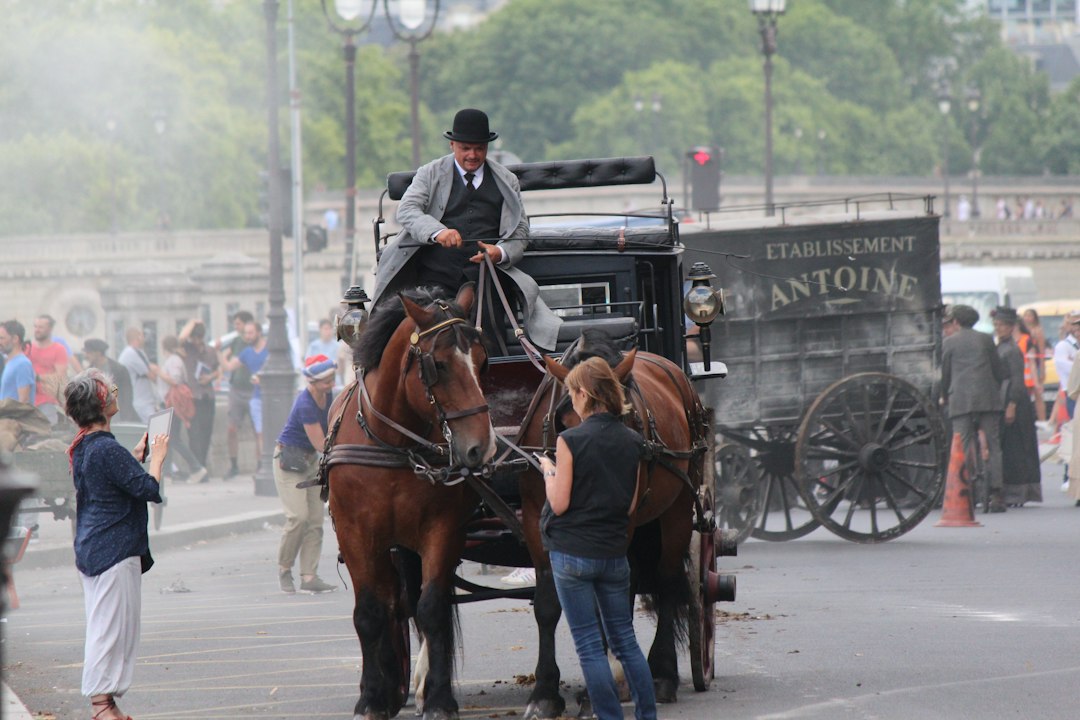
The term “hackney” originally referred to a horse for hire in 16th‑century England. By the early 1600s, “hackney carriage” described a carriage that could be hired for a short journey—essentially the precursor to today’s taxi. London’s first licensed hackney carriages appeared in 1635, operating under the authority of the City of London Corporation.
Fast forward to 1906: the first motor‑powered hackney carriage rolled onto the streets, marking the transition from horse‑drawn wagons to gasoline‑powered vehicles. The iconic “London black cab” design—featuring a spacious interior, a tight turning circle, and a distinctive shape—was standardized in the 1930s by the London Taxi Company (now Morrisons Group).
1.2 The Birth of the “Black Cab” Identity
Why black? The answer lies in practicality and branding. Early manufacturers painted cabs black because it concealed grime and soot, essential in an era of coal‑filled streets. Over time, the black hue became synonymous with reliability and professionalism, cementing the “black cab” moniker in popular culture.
1.3 Milestones That Shaped Modern Hackney Carriages
| Year | Milestone | Impact |
|——|———–|——–|
| 1906 | First motorised hackney carriage | Shift from horse power to internal combustion |
| 1934 | Introduction of the “Bristol” model with a tight turning circle | Set the standard for maneuverability in narrow streets |
| 1970s | Adoption of the Knowledge test for drivers | Raised the bar for driver expertise |
| 2006 | Launch of the TX electric prototype | Paved the way for zero‑emission cabs |
| 2020s | Integration of digital dispatch and contactless payment | Aligned cabs with modern rider expectations |
These milestones illustrate how the hackney carriage has continuously adapted, balancing heritage with innovation.
—
2. Licensing, Regulations, and Safety – What Makes a Hackney Carriage Trustworthy
2.1 The “Knowledge” – A Driver’s Ultimate Credential
One of the most famous aspects of hackney carriage operation is The Knowledge of London. Prospective drivers must memorize over 25,000 streets, 20,000 landmarks, and the quickest routes between any two points in the city. The exam consists of:
1. Two oral examinations – covering route planning and landmark identification.
2. A practical test – demonstrating real‑time navigation while driving.
The Knowledge typically takes 2–4 years to master, but it ensures that every licensed driver can navigate London’s labyrinthine streets without relying on GPS. The result? Faster journeys, fewer detours, and a reputation for punctuality.
2.2 Licensing Bodies & Legal Requirements
| Authority | Primary Role |
|———–|————–|
| Transport for London (TfL) | Issues hackney carriage licences, enforces vehicle standards, and monitors fare structures. |
| Driver and Vehicle Licensing Agency (DVLA) | Maintains driver records, conducts background checks, and validates medical fitness. |
| Local Councils | Oversee street‑side pick‑up zones and enforce local traffic ordinances. |
To legally operate, a hackney carriage must meet the following criteria:
- Vehicle Age: Typically not older than 6‑8 years (varies by borough).
- Safety Features: ABS, airbags, wheelchair accessibility (for designated “accessible taxis”).
- Emission Standards: Euro 6 or lower; many fleets now run on hybrid or fully electric power.
- Insurance: Commercial taxi insurance covering passenger liability, vehicle damage, and driver protection.
- In‑Cab CCTV – Recorded footage helps resolve disputes and deters misconduct.
- GPS Tracking & Real‑Time Monitoring – Allows TfL to monitor vehicle location, ensuring compliance with pick‑up zones.
- Accessibility Features – Ramps, low‑floor designs, and secure wheelchair tie‑down points make travel inclusive.
- Roof Sign – A glowing “TAXI” sign (green for electric, amber for hybrid, red for diesel).
- Meter & Fare Display – An electronic fare meter visible to passengers.
- Driver Identification Card – Visible on the windshield, showing licence number and expiry date.
- Vehicle Registration – Often displayed on a small digital screen at the front, showing the cab’s licence number.
- Contactless cards (Visa, Mastercard, Apple/Google Pay) – Fast, no tip required.
- Cash – Accepted, but always ask for a receipt.
- TfL Oyster card – Can be used on some cabs that support contactless fare collection.
- Luggage Space: Black cabs have a dedicated boot; inform the driver if you have oversized items.
- Route Requests: While drivers are trained to choose the quickest route, you can suggest a preferred path—just ensure it complies with traffic laws.
- Accessibility: If you need a wheelchair‑friendly cab, request an “Accessible Taxi” (often marked with a wheelchair symbol).
- Tips: Not mandatory, but a 5–10% tip is appreciated for exceptional service.
- Regulated Fares: No surge pricing, ensuring predictable costs.
- Driver Expertise: The Knowledge guarantees route efficiency even during traffic snarls.
- Safety Standards: Mandatory insurance and driver background checks exceed many app‑based services.
- Electric Cabs: Over 2,500 fully electric black cabs are already on London’s roads, with models like the TX and LEVC leading the charge.
- Charging Infrastructure: TfL has installed fast‑charging stations at major taxi ranks and depots.
- Incentives: Drivers receive reduced licensing fees and tax benefits for operating zero‑emission vehicles.
- In‑Cab Wi‑Fi – Keeps passengers connected during longer journeys.
- Real‑Time Traffic Updates – Integrated with TfL’s traffic management system for optimal routing.
- Contactless & Mobile Payments – Seamless payment via Apple Pay, Google Pay, or NFC cards.
- Safety Validation – Rigorous testing before any public deployment.
- Regulatory Framework – TfL is drafting new licensing categories for driver‑assisted and autonomous vehicles.
2.3 Passenger Safety & Accessibility
Modern hackney carriages are equipped with a suite of safety technologies:
Actionable tip: Before boarding, look for the “TAXI” sign illuminated on the roof, verify the driver’s licence displayed on the dashboard, and ensure the vehicle registration matches the details shown on the taxi’s digital display.
—
3. How to Choose, Hail, and Make the Most of a Hackney Carriage
3.1 Spotting a Legitimate Hackney Carriage
A genuine hackney carriage displays several unmistakable identifiers:
If any of these are missing, consider using an alternative transport option.
3.2 Hailing a Black Cab the Smart Way
| Method | How It Works | Best For |
|——–|————–|———-|
| Street Hail | Raise your arm at a designated taxi rank or a clear roadside spot. | Quick trips in high‑traffic areas. |
| Phone Booking | Call the central dispatch number (e.g., 020 7222 2222 for London). | Pre‑planned journeys, airport transfers. |
| Mobile Apps | Use TfL’s official Taxi and Private Hire app or cab‑company apps like Addison Lee. | Real‑time tracking, contactless payment. |
| Hotel/Restaurant Concierge | Request a cab from the front desk. | Luggage‑heavy trips, late‑night travel. |
Pro tip: When using a mobile app, compare the estimated fare with the metered rate displayed in the cab. Most apps will show a fare range; if the driver’s meter exceeds this significantly, ask for clarification before the journey begins.
3.3 Understanding Fares & Paying Efficiently
Hackney carriage fares are regulated by TfL and consist of:
1. Flag‑fall – The base charge when the meter starts (currently £3.20 in central London).
2. Per‑minute charge – £0.20 per minute while the cab is moving or waiting.
3. Per‑kilometre charge – £1.45 per kilometre (subject to change).
Night surcharge: An additional 20% after 22:00, and a 30% surcharge on public holidays.
Payment options:
Actionable tip: Keep an eye on the meter throughout the ride. If you notice an unexpected jump (e.g., due to traffic congestion), politely ask the driver for an explanation. Transparent communication often prevents disputes.
3.4 Maximizing Comfort & Convenience
—
4. The Future of Hackney Carriages – Adapting to a Changing Landscape
4.1 Competition from Ride‑Hailing Platforms
Ride‑hailing giants like Uber, Bolt, and Lyft have reshaped urban mobility, offering lower‑cost options and dynamic pricing. However, hackney carriages retain distinct advantages:
Industry insight: According to a 2023 TfL report, hackney carriage market share in central London remains steady at ≈45%, despite a 20% rise in ride‑hailing usage over the past five years.
4.2 Electrification & Sustainable Initiatives
London aims to become a zero‑emission city by 2030. Hackney carriage operators are at the forefront of this transition:
Actionable tip for riders: Look for the green “TAXI” roof sign—this indicates an electric vehicle, offering a quieter, smoother ride and reduced carbon footprint.
4.3 Digital Integration & Contactless Experience
Modern hackney carriages are no longer just a driver and a meter. Key digital upgrades include:
These features align cabs with the expectations set by ride‑hailing apps while preserving the unique benefits of a licensed taxi.
4.4 Emerging Technologies: Autonomous Taxis & AI
While fully autonomous hackney carriages are still in experimental stages, pilot projects in London are testing Level 4 autonomous driving on select routes. The focus is on:
What this means for you: In the next decade, you may see a hybrid model where a human driver oversees an AI‑driven cab, combining the best of both worlds—human judgment and machine precision.
—
Conclusion: Key Takeaways on Hackney Carriages
1. Heritage Meets Innovation – From horse‑drawn hackneys to electric black cabs, the vehicle has evolved while preserving its iconic silhouette.
2. Rigorous Standards Ensure Trust – The Knowledge exam, strict licensing, and comprehensive safety features make hackney carriages one of the safest transport options worldwide.
3. Practical Tips for Riders – Spot the roof sign, verify the driver’s licence, monitor the meter, and use contactless payment for a smooth experience.
4. Competitive Edge Over Ride‑Hailing – Predictable fares, expert navigation, and robust regulation keep hackney carriages relevant despite app‑based competition.
5. A Sustainable Future – Electrification, digital upgrades, and emerging autonomous technology are steering the hackney carriage toward a greener, smarter future.
Next time you see that classic black silhouette waiting at a curb, you’ll know the centuries of history, the rigorous training, and the cutting‑edge technology that power each ride. Hop in, enjoy the journey, and experience a piece of living London heritage—still as reliable and relevant as ever.
—
*Ready to book your next hackney carriage? Use TfL’s official app
Leave a Reply