

—
Introduction – Why the School Run Is More Than Just a Morning Commute
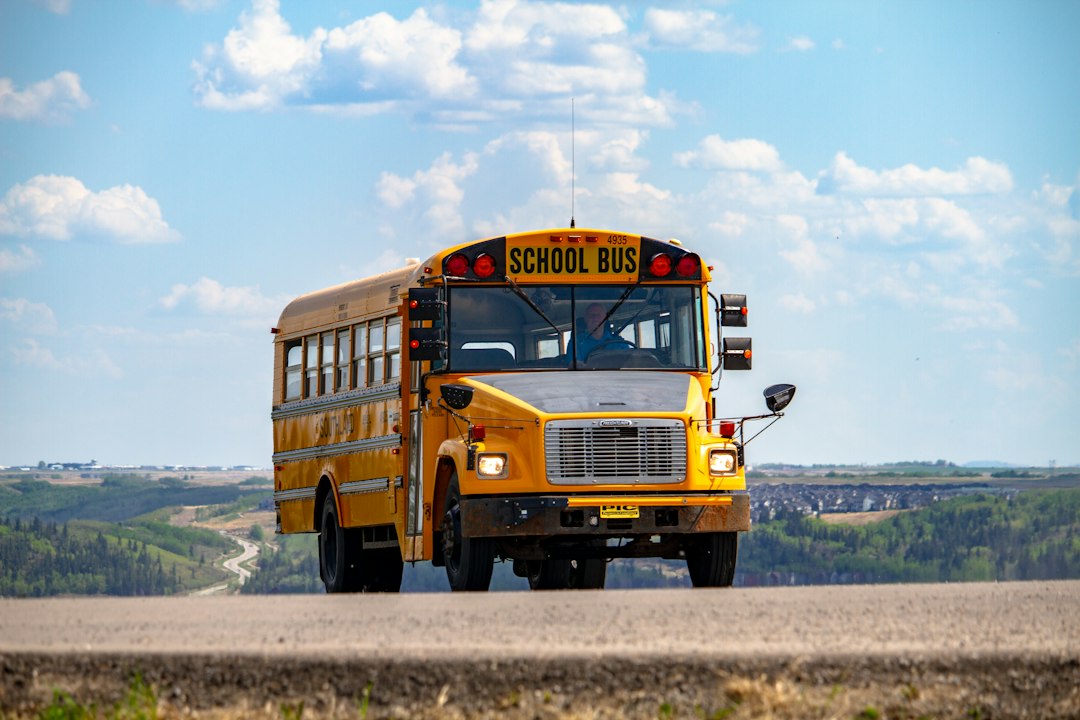
Imagine the sunrise spilling over a sleepy suburb, a line of bright yellow school buses humming to life, and the delighted chatter of children climbing aboard. For many families, the school run is the heartbeat of the day—a ritual that guarantees safety, punctuality, and peace of mind. Yet behind every smooth pick‑up and drop‑off is a professional school run driver who does far more than steer a vehicle.
In recent years, the demand for reliable, qualified drivers has surged. Parents are increasingly selective, schools are tightening safety standards, and municipalities are expanding transportation programs. Whether you’re looking for a stable full‑time career, a flexible part‑time gig, or a rewarding way to give back to your community, a school bus driver or school run driver position can be the perfect fit.
This guide dives deep into everything you need to know about school run driver jobs: from the essential qualifications and daily responsibilities to the best ways to land the role, excel on the road, and turn the job into a long‑term career. Let’s buckle up and explore the road ahead!
—
1. Understanding the Role – What Does a School Run Driver Actually Do?
1.1 Core Responsibilities
| Task | Why It Matters | Typical Frequency |
|——|—————-|——————-|
| Pick‑up and drop‑off children | Ensures safe, on‑time arrival at school and home | Daily |
| Conduct safety checks (brakes, lights, tires, emergency equipment) | Prevents accidents and complies with regulations | Before each shift |
| Maintain route logs & attendance records | Provides accountability to schools & parents | Every trip |
| Communicate with parents, school staff, and dispatch | Resolves delays, emergencies, and special requests | Ongoing |
| Enforce behavior policies (seat belts, no bullying) | Creates a secure environment for all riders | Continuous |
| Perform basic vehicle cleaning | Keeps the bus sanitary and pleasant for children | End of each day |
A school run driver is essentially a mobile guardian. While the primary duty is transportation, the role also involves child supervision, emergency response readiness, and strong interpersonal communication.
1.2 Types of School Transportation Jobs
| Position | Typical Employer | Vehicle Type | Typical Hours |
|———-|—————–|————–|—————|
| School Bus Driver (K‑12) | Public school districts, private schools | Full‑size yellow bus (30‑78 seats) | Early morning & late afternoon (often split shifts) |
| School Run Driver (Preschool/Day‑care) | Private day‑care centers, after‑school programs | Minibus or van (8‑15 seats) | Flexible; may include mid‑day trips |
| Special‑Needs Transportation Driver | Specialized transport agencies | Adapted vans/buses with wheelchair lifts | Varies; may include midday appointments |
| Part‑Time Contract Driver | Rideshare or contract platforms (e.g., Via, HopSkipDrive) | Small shuttle or passenger van | On‑demand; often evenings/weekends |
Understanding which niche aligns with your schedule, vehicle preference, and career goals will help you target the right job postings.
1.3 Salary & Benefits Snapshot
- Average hourly wage (U.S.): $15‑$22 (varies by state, experience, and vehicle type)
- Annual salary (full‑time): $30,000‑$45,000; senior drivers can earn $55,000+
- Benefits: Health insurance, retirement plans, paid leave, tuition assistance for further certifications, and in many districts, union representation.
- National Association for Pupil Transportation (NAPT) – Offers webinars, conferences, and a “School Bus Driver Training Guide.”
- State Driver Training Centers – Many states provide free or low‑cost refresher courses for existing CDL holders.
- Online Modules – Platforms like SafeBus and Driver’s Edge have interactive courses on child safety, emergency procedures, and defensive driving.
- District Websites – Most school districts post openings on their “Employment” or “Human Resources” pages.
- State Transportation Agency Job Boards – Example: California Department of Education or Texas Education Agency portals.
- Job Aggregators – Indeed, Glassdoor, and LinkedIn often have filters for “school bus driver” or “school transportation.”
- Specialized Platforms – HopSkipDrive, Kango, and RideShare for Kids list contract or part‑time driver gigs.
- Local Community Boards – Libraries, community centers, and even Facebook groups can have hidden opportunities.
- Research Local Pay Scales – Use sites like Salary.com or Bureau of Labor Statistics to understand the average hourly rate in your state.
- Highlight Experience – If you have a flawless safety record or experience with special‑needs transportation, you can negotiate a higher rate.
- Ask About Overtime & Shift Differentials – Many districts pay extra for early‑morning, late‑evening, or weekend routes.
- Consider Benefits – Health insurance, pension plans, and paid training can offset a slightly lower hourly wage.
- Seat Belt Enforcement – Make it a non‑negotiable rule. Use a “belt‑up” chant to make compliance fun.
- Emergency Drills – Conduct a quick “stop‑and‑exit” drill at the start of each month. This builds muscle memory for children and reassures parents.
- Weather Preparedness – In rain or snow, reduce speed, increase following distance, and use headlights. Keep a snow brush and ice scraper in the bus.
- Scheduled Breaks – Even if the route is short, step out for a few minutes to stretch and hydrate.
- Mindfulness Techniques – Deep breathing before the first pick‑up can lower anxiety.
- Peer Support – Join a local School Bus Driver Association or online forum (e.g., Reddit r/schoolbusdrivers) to share stories and coping strategies.
—
2. Getting Qualified – The Must‑Have Skills, Licenses, and Certifications
2.1 The Legal Basics
| Requirement | Details | How to Obtain |
|————-|———|—————|
| Commercial Driver’s License (CDL) – Class B | Required for vehicles > 10,001 lbs (most school buses). Some states allow a School Bus Endorsement (SBE) on a regular CDL. | Enroll in a state‑approved CDL school (typically 4‑6 weeks). Pass written and road tests. |
| School Bus Endorsement (SBE) | Specific endorsement for transporting children. Includes a background check on the knowledge of child safety. | Usually part of the CDL program; may need a separate exam. |
| Medical Examination (DOT Physical) | Must meet Department of Transportation health standards (vision, hearing, blood pressure). | Visit a certified medical examiner; certificate valid for 2 years. |
| Background Check & Fingerprinting | Criminal record, driving violations, and child abuse registry checks. | Conducted by the hiring school district or agency. |
| First Aid / CPR Certification | Basic emergency response for children. | Red Cross or American Heart Association courses (valid 2 years). |
| Drug & Alcohol Testing | Pre‑employment and random testing required. | Completed through employer’s testing provider. |
2.2 Soft Skills That Set You Apart
1. Patience & Calm Under Pressure – Managing a bus of energetic children requires a steady demeanor, especially during traffic jams or weather events.
2. Excellent Communication – Clear updates to parents, teachers, and dispatch keep everyone informed.
3. Observational Awareness – Spotting a child’s discomfort, a stray pet, or a potential safety hazard early can prevent incidents.
4. Time Management – Balancing strict school start times with unpredictable road conditions is a daily challenge.
5. Conflict Resolution – De‑escalating minor disputes among riders helps maintain a positive environment.
2.3 Training Programs & Resources
Tip: Keep a digital portfolio of your certificates (CDL, SBE, CPR) and a copy of your clean driving record. Employers often request these documents during the interview stage.
—
3. Landing the Job – From Application to Offer
3.1 Crafting an SEO‑Friendly Resume
| Section | What to Include | Keywords to Sprinkle In |
|———-|—————-|————————–|
| Header | Full name, contact info, “Certified School Bus Driver – CDL Class B” | school bus driver, CDL, SBE |
| Professional Summary | 2‑3 lines highlighting years of experience, safety record, and child‑care mindset | safe transportation, child safety, punctual |
| Licenses & Certifications | List CDL, SBE, CPR, DOT physical expiration dates | commercial driver’s license, school bus endorsement |
| Work Experience | Bullet points with quantifiable achievements (e.g., “Maintained 0 accidents over 3,200 miles”) | zero accidents, on‑time performance, route management |
| Skills | Soft skills + technical (GPS, route planning software) | defensive driving, communication, route optimization |
| Education | High school diploma (minimum) – note any transportation‑related coursework | high school diploma, transportation studies |
SEO tip: Many school districts use applicant tracking systems (ATS) that search for keywords like “school bus driver,” “CDL Class B,” and “child safety.” Mirror the language from the job posting to increase match rates.
3.2 Where to Find School Run Driver Jobs
3.3 Acing the Interview
| Question | What Employers Look For | Sample Answer |
|———-|————————|————–|
| “Why do you want to be a school run driver?” | Passion for child safety, community service, reliability | “I love working with kids and feel a strong sense of responsibility ensuring they arrive safely. My background in defensive driving and my calm demeanor help me manage any situation on the road.” |
| “Describe a time you dealt with a difficult passenger.” | Conflict‑resolution, patience | “Once a child refused to wear a seat belt. I calmly explained the importance, offered a quick demonstration, and rewarded compliance with a sticker. The child complied, and the rest of the ride was smooth.” |
| “How do you handle unexpected route changes?” | Flexibility, problem‑solving | “I always keep a printed route map and a GPS device. If a road closure occurs, I quickly assess alternate routes, inform the dispatcher, and keep the children informed to maintain calm.” |
| “What safety checks do you perform before each trip?” | Knowledge of pre‑trip inspections | “I check brakes, lights, mirrors, emergency exits, and fire extinguishers. I also verify that the first‑aid kit is stocked and that all seat belts are functional.” |
Pro tip: Bring a copy of your clean driving record and a photo ID to the interview. Many districts conduct on‑spot background checks.
3.4 Negotiating Salary & Benefits
—
4. Thriving on the Road – Daily Best Practices for Success
4.1 Mastering the Morning Routine
1. Pre‑Trip Inspection (15 minutes) – Follow the DOT pre‑trip checklist: tires, brakes, lights, mirrors, emergency equipment, and interior cleanliness.
2. Route Review (5 minutes) – Check traffic apps (Waze, Google Maps) for construction or accidents. Have a printed backup route.
3. Student Roll Call – Use a digital attendance app (e.g., RideSafe, Transfinder) to log each child as they board. This reduces paperwork later.
4.2 Safety Protocols in Action
4.3 Building Positive Relationships
| Stakeholder | How to Connect | Benefits |
|————-|—————-|———-|
| Children | Greet each child by name, use positive reinforcement (stickers, “Driver of the Day” badge). | Improves behavior, fosters trust. |
| Parents | Send brief text updates for delays, share safety tips via newsletters. | Increases parental confidence. |
| School Staff | Attend quarterly transportation meetings, share route insights. | Improves coordination, reduces miscommunication. |
| Dispatch/Management | Log any incidents promptly, ask for clarification when needed. | Streamlines problem‑solving, shows professionalism. |
4.4 Managing Stress & Burnout
4.5 Career Advancement Paths
| Path | Typical Steps | Potential Salary Increase |
|——|—————-|—————————|
| Senior Driver / Mentor | Minimum 5 years experience, clean record, mentorship training | +10‑15% |
| Transportation Coordinator | Additional certification in fleet management, leadership courses | +20‑30% |
| Driver Trainer | CDL + SBE + training certification (e.g., NAPT trainer) | +15‑25% |
| Fleet Manager |
Leave a Reply
You must be logged in to post a comment.