

As you stroll through the bustling streets of London, you can’t help but notice the iconic black cabs that have been a staple of the city’s transportation system for centuries. But have you ever wondered where these hackney carriages originated from, and what makes them so unique? In this comprehensive guide, we’ll delve into the fascinating history of hackney carriages, their evolution, and the regulations that govern them. Whether you’re a history buff, a taxi enthusiast, or simply a curious traveler, this post is packed with valuable information that will give you a new appreciation for these beloved vehicles.
A Brief History of Hackney Carriages
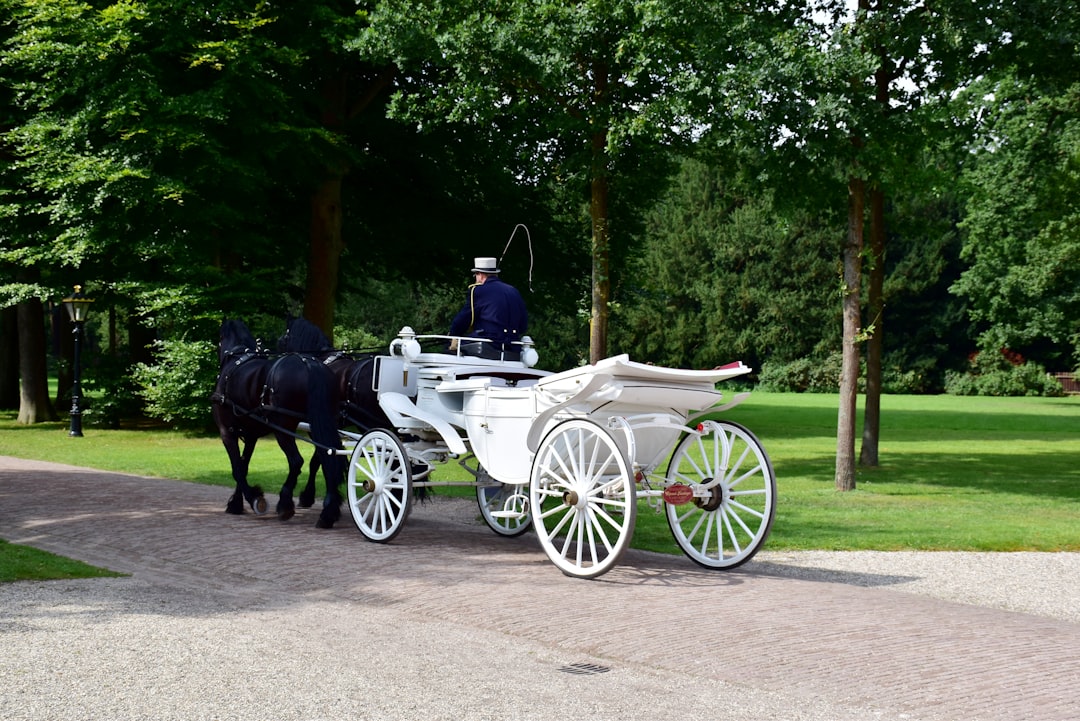
The term “hackney” originates from the village of Hackney, which was a major coaching center in the 17th century. The first hackney carriages were essentially horse-drawn vehicles that were licensed to carry passengers for hire. These early taxis were a far cry from the modern black cabs we know today, with their primitive design and lack of comfort features. However, they marked the beginning of a new era in transportation, providing people with a convenient and affordable way to get around the city. As the demand for hackney carriages grew, so did the number of licensed operators, and by the 18th century, they had become a common sight on London’s streets.
The introduction of the hansom cab in the 19th century revolutionized the hackney carriage industry. Designed by Joseph Hansom, these lightweight, two-wheeled vehicles were faster and more maneuverable than their predecessors, making them a popular choice among passengers. The hansom cab’s success paved the way for the development of more advanced vehicles, including the iconic London taxi, which has remained largely unchanged to this day. With its distinctive design, spacious interior, and robust engine, the London taxi has become an iconic symbol of the city, synonymous with reliability and professionalism.
The Licensing and Regulation of Hackney Carriages
One of the key factors that sets hackney carriages apart from other forms of transportation is the rigorous licensing and regulation process that governs them. In the UK, hackney carriages are licensed by local authorities, which ensure that drivers and vehicles meet strict safety and quality standards. To become a licensed hackney carriage driver, individuals must undergo a thorough training program, which includes a series of exams and background checks. This rigorous process helps to guarantee that passengers receive a safe and reliable service, which is essential for building trust and confidence in the industry.
In addition to licensing requirements, hackney carriages are also subject to regular inspections and maintenance checks to ensure that they remain roadworthy. This includes annual MOT tests, as well as regular checks on brakes, tires, and other critical components. By maintaining high standards of safety and quality, hackney carriages can provide passengers with a secure and comfortable journey, which is essential for their reputation and success. Furthermore, the regulation of hackney carriages helps to prevent unlicensed operators from undermining the industry, which can have serious consequences for passenger safety and the environment.
The Future of Hackney Carriages
As the world becomes increasingly dependent on technology, the hackney carriage industry is undergoing a significant transformation. The rise of ride-hailing apps, such as Uber and Lyft, has disrupted the traditional taxi market, offering passengers a convenient and often cheaper alternative to hackney carriages. However, while these apps have their advantages, they also pose significant challenges to the traditional taxi industry. Many hackney carriage drivers have struggled to compete with the lower prices and greater flexibility offered by ride-hailing apps, which has led to a decline in demand for traditional taxis.
Despite these challenges, the hackney carriage industry is adapting to the changing landscape. Many licensed operators are now embracing technology, using apps and online platforms to connect with passengers and offer a more streamlined service. Additionally, the UK government has introduced new regulations to level the playing field, ensuring that ride-hailing apps are subject to the same safety and quality standards as traditional hackney carriages. By embracing innovation and regulatory changes, the hackney carriage industry can continue to thrive, providing passengers with a unique and personalized service that is unmatched by ride-hailing apps.
The Cultural Significance of Hackney Carriages
Hackney carriages have played a significant role in shaping the cultural identity of London, and their impact extends far beyond the transportation sector. From the iconic black cab design to the knowledgeable and charismatic drivers, hackney carriages have become an integral part of the city’s fabric. They have been featured in countless films, TV shows, and literature, often serving as a symbol of British culture and tradition. Moreover, hackney carriages have played a vital role in supporting local businesses and communities, providing a convenient and reliable way for people to get around the city.
The cultural significance of hackney carriages is also reflected in their enduring popularity among tourists and locals alike. Whether you’re a first-time visitor to London or a seasoned resident, taking a ride in a hackney carriage is an experience like no other. From the moment you step into the cab, you’re treated to a unique blend of history, culture, and entertainment, as the knowledgeable driver regales you with stories and anecdotes about the city. As you glide through the streets, taking in the sights and sounds of the bustling metropolis, you can’t help but feel a sense of nostalgia and appreciation for these iconic vehicles.
In conclusion, hackney carriages are more than just a mode of transportation – they are an integral part of London’s history, culture, and identity. From their humble beginnings as horse-drawn vehicles to the modern black cabs we know today, hackney carriages have evolved to meet the changing needs of the city and its people. As the industry continues to adapt to new technologies and regulatory changes, it’s essential to remember the significance of these iconic vehicles and the important role they play in shaping the city’s cultural landscape. Whether you’re a history buff, a taxi enthusiast, or simply a curious traveler, the next time you hail a hackney carriage, remember the rich history and cultural significance behind this beloved mode of transportation. Key takeaways from this post include:
- Hackney carriages have a rich history dating back to the 17th century, with the first licensed vehicles operating in London.
- The licensing and regulation of hackney carriages are critical to ensuring passenger safety and quality of service.
- The industry is undergoing a significant transformation, with the rise of ride-hailing apps and technological innovations.
- Hackney carriages play a vital role in shaping the cultural identity of London, and their impact extends far beyond the transportation sector.
- By embracing innovation and regulatory changes, the hackney carriage industry can continue to thrive, providing passengers with a unique and personalized service that is unmatched by ride-hailing apps.