

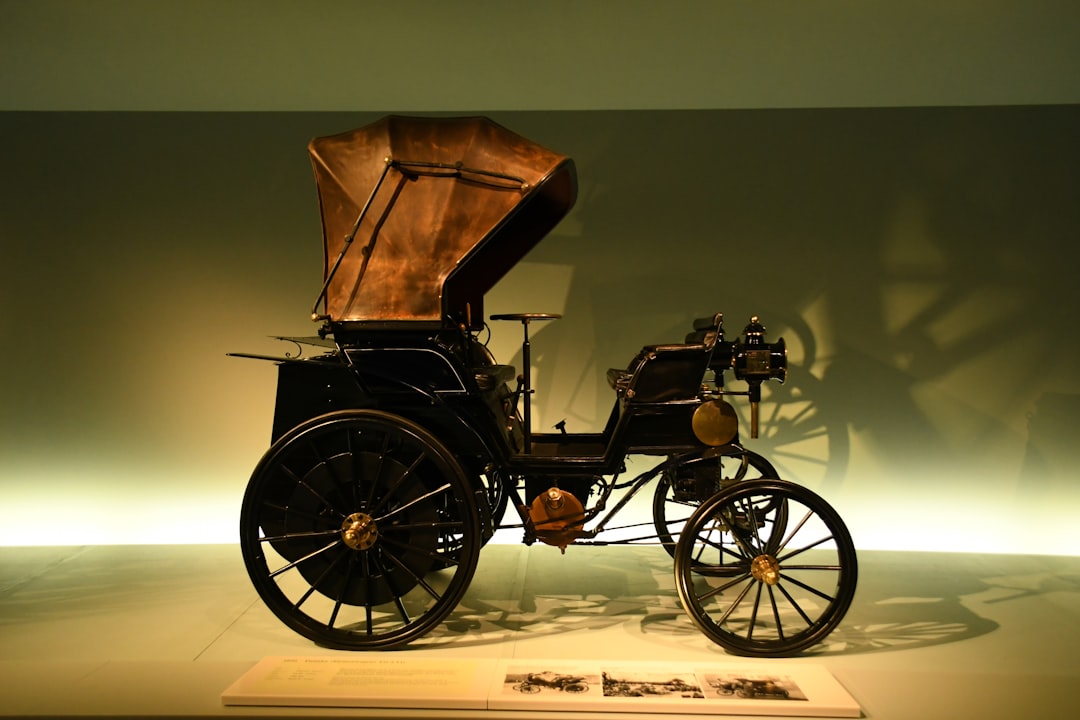
As you step out of a bustling London station, you’re immediately greeted by a sea of black cabs, their bright yellow “TAXI” signs beckoning you to hop in. But have you ever wondered about the rich history and intricacies of these iconic vehicles, known as hackney carriages? From their humble beginnings to the rigorous licensing process, there’s more to these taxis than meets the eye. In this article, we’ll delve into the world of hackney carriages, exploring their evolution, licensing requirements, and what makes them an integral part of London’s transportation landscape.
Introduction to Hackney Carriage
Hackney carriages have been a staple of London’s streets for over 350 years, with the first recorded hackney coach license issued in 1661. The term “hackney” is derived from the village of Hackney, where these coaches were originally built. Over the years, the design and functionality of these vehicles have undergone significant transformations, but their purpose remains the same – to provide a safe and reliable mode of transportation for the public. Today, there are over 21,000 licensed hackney carriages in London, with thousands of drivers navigating the city’s busy streets every day. Whether you’re a seasoned Londoner or a visiting tourist, understanding the hackney carriage system can help you navigate the city like a pro.
Licensing and Regulation
So, what does it take to become a licensed hackney carriage driver? The process is rigorous, to say the least. Drivers must undergo a series of tests, including a written exam, a practical driving test, and a thorough medical checkup. They must also demonstrate a comprehensive knowledge of London’s streets, including major landmarks, bus routes, and one-way systems. This is known as “The Knowledge,” a notoriously challenging test that can take years to complete. In addition to driver licensing, the vehicles themselves must also meet strict safety and emissions standards. All hackney carriages are required to be wheelchair accessible, with features such as ramps, grab bars, and priority seating for passengers with disabilities. The Public Carriage Office (PCO), now known as Transport for London (TfL), is responsible for regulating the hackney carriage industry, ensuring that drivers and vehicles meet the highest standards of safety and quality.
The Future of Hackney Carriage
As the world becomes increasingly focused on sustainability and environmental issues, the hackney carriage industry is evolving to meet these demands. Many modern hackney carriages are now equipped with eco-friendly features, such as hybrid engines, electric motors, and advanced emissions reduction systems. Some companies are even experimenting with fully electric hackney carriages, which could significantly reduce the city’s carbon footprint. Additionally, the rise of ride-hailing apps has disrupted the traditional taxi industry, with many drivers opting to work for companies like Uber rather than traditional hackney carriage firms. However, the hackney carriage remains a beloved and iconic symbol of London, with many passengers preferring the unique experience and personalized service that these taxis provide. As the city continues to grow and change, it will be interesting to see how the hackney carriage industry adapts to meet the needs of a modern, environmentally conscious public.
Tips for Riding a Hackney Carriage
So, how can you make the most of your hackney carriage experience? Here are a few tips to keep in mind. First, always make sure to hail a licensed hackney carriage, which will display a prominent “TAXI” sign on the roof. You can also book a cab in advance through a reputable company or use a ride-hailing app. When you get in, be sure to check that the driver is licensed and that the meter is turned on. You can also ask your driver for recommendations on the best routes to take, as they often have extensive knowledge of the city’s traffic patterns. Finally, be respectful of your driver and other passengers, and always follow basic safety precautions, such as wearing a seatbelt and keeping valuables secure. By following these tips, you can enjoy a safe, convenient, and memorable ride in a classic London hackney carriage.
Conclusion and Key Takeaways
In conclusion, the hackney carriage is an integral part of London’s transportation landscape, with a rich history, rigorous licensing process, and commitment to safety and sustainability. Whether you’re a native Londoner or just visiting the city, understanding the hackney carriage system can help you navigate the streets like a pro. Key takeaways from this article include the importance of licensing and regulation, the evolution of the hackney carriage industry, and the unique experience that these taxis provide. So next time you’re in London, be sure to hail a hackney carriage and experience the city in style. With their iconic design, knowledgeable drivers, and commitment to safety and sustainability, it’s no wonder that the hackney carriage remains a beloved and enduring symbol of London. By supporting this industry and choosing to ride in a licensed hackney carriage, you’re helping to preserve a piece of the city’s history and culture.