

—
Introduction – Why the Hackney Carriage Still Matters in a Ride‑Sharing World
If you’ve ever wandered the streets of London and spotted that iconic black cab gliding past, you’ve witnessed a living piece of transportation history. The hackney carriage—more commonly known as the London black cab—is far more than just a vehicle; it’s a symbol of safety, reliability, and a unique regulatory framework that has survived the rise of Uber, Lyft, and countless app‑based services.
In this 2,000‑word deep‑dive, we’ll explore everything you need to know about hackney carriages: from their fascinating origins and strict licensing rules to practical tips for passengers and drivers alike. Whether you’re a tourist trying to navigate the city, an aspiring cab driver, or simply a transport enthusiast, this guide will give you actionable insights and answer the most common questions about the world’s most famous taxi.
Let’s hop in and discover why the hackney carriage remains a cornerstone of urban mobility—and why you should consider it the smartest way to travel today.
—
1. The Rich History of the Hackney Carriage
1.1 From Horse‑Drawn Hackneys to Motorised Cabs
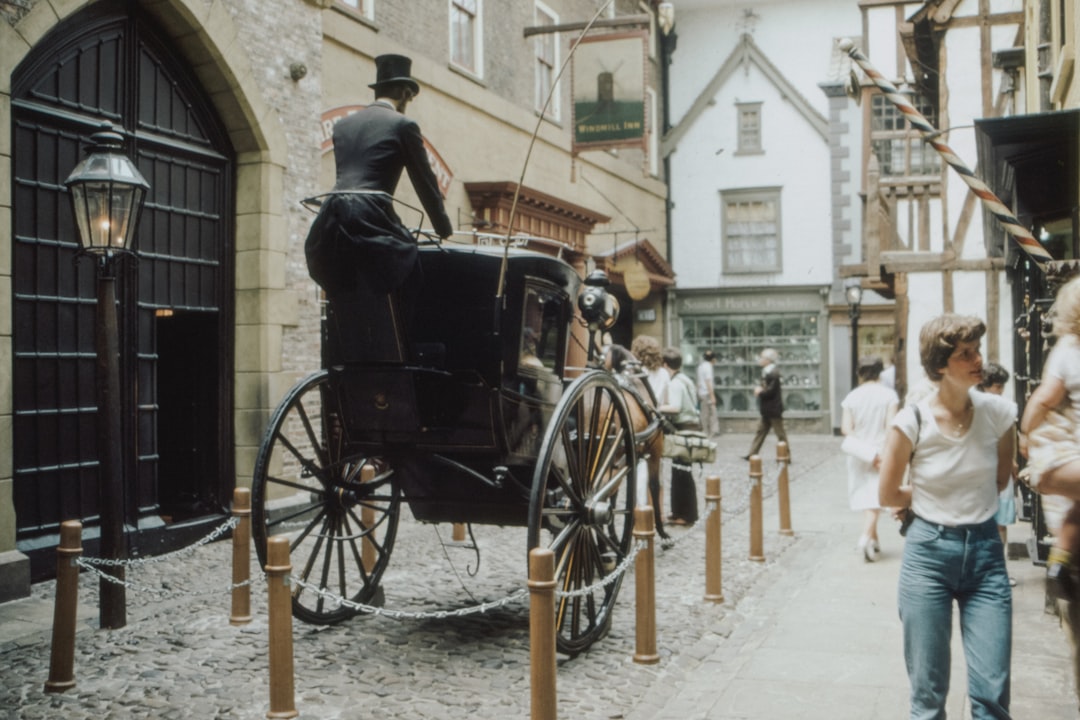
The term hackney dates back to the 16th‑century English village of Hackney, where a “hackney” was a horse that could be hired for a ride. By the early 1600s, “hackney carriages” were horse‑drawn coaches available for hire in London’s bustling streets.
Fast forward to 1906: the first motor‑powered hackney carriage—an early version of the modern black cab—rolled out of the streets, marking a pivotal shift from horse power to engine power. Yet, despite the technological leap, the core promise stayed the same: a reliable, on‑demand transport service that anyone could trust.
1.2 The Birth of the Black Cab Icon
In the 1930s, the iconic shape we now associate with London taxis emerged. Designed by the famed coachbuilder Morris Motors, the “London Taxi” featured a spacious interior, a tight turning circle (known as the “London turning circle”), and a distinctive silhouette that could navigate the city’s narrow alleys.
The black colour? That was a marketing masterstroke by the London Taxi Company (now The London Taxi Company). While not all cabs are black today—many are bright yellow, green, or even electric white—the classic black cab remains a global symbol of British transport.
1.3 Why History Still Matters
Understanding the hackney carriage’s heritage helps explain why it enjoys such stringent regulations today. The long‑standing reputation for safety and professionalism is built on centuries of public trust—a trust that modern ride‑hailing platforms are still trying to earn.
Key takeaway: The hackney carriage isn’t just a nostalgic relic; it’s a proven, regulated system that has adapted to modern demands while preserving its core values.
—
2. How Hackney Carriage Licensing Works – A Blueprint for Safety
2.1 The Role of Transport for London (TfL)
In the United Kingdom, Transport for London (TfL) is the governing body that issues the famous “Taxi Driver Licence” (often called the “Hackney Carriage Licence”). To operate a hackney carriage, both the driver and the vehicle must meet strict criteria:
| Requirement | Details |
|————-|———|
| Driver’s Licence (PDL) | Must hold a London Taxi Driver’s Licence after passing the The Knowledge exam (a 3‑year intensive study of London’s 25,000+ streets). |
| Vehicle Inspection (MOT) | Annual Vehicle Inspection at a TfL‑approved centre to ensure safety standards. |
| Insurance | Public liability insurance covering at least £5 million. |
| Roadworthiness | Must meet emission standards (Euro VI for diesel, or be fully electric for newer models). |
| Accessibility | Newer cabs must be wheelchair‑accessible (e.g., the TX eCity electric taxi). |
These layers of regulation create a trust ecosystem that passengers can rely on—something that is often missing in the gig‑economy model.
2.2 “The Knowledge” – The Ultimate Test for Drivers
If you think a written test is tough, imagine memorising every street, landmark, and traffic rule in a 600‑square‑mile city. The Knowledge is a 3‑year apprenticeship that requires candidates to:
- Learn 320 routes (each with a start and end point).
- Master 25,000 streets and over 20,000 points of interest.
- Pass a series of oral examinations with senior examiners.
- Electric models (e.g., TX eCity, Mitsubishi i-MiEV) – lower emissions, quieter rides, and eligibility for London’s Ultra Low Emission Zone (ULEZ) exemptions.
- Hybrid models – transitional vehicles that combine diesel efficiency with electric assistance.
- Accessibility features – ramp‑enabled doors, wheelchair‑secure straps, and lower floor heights.
- Partition glass between driver and passenger to reduce disease transmission.
- CCTV cameras (mandatory since 2015) that record the interior and exterior for evidence in case of disputes.
- Emergency alarm button – located near the passenger seat, instantly alerts the driver and TfL control centre.
- Secure cash box – drivers must keep cash in a locked compartment, reducing the risk of robbery.
- Hackney Carriage: Always on‑street; you can flag one down instantly, especially in central London.
- Ride‑Hailing: Dependent on driver supply; during large events, wait times can stretch to 20‑30 minutes.
- 0‑emission operation (ideal for ULEZ).
- Range of 200 miles per charge, enough for a full day’s work.
- Lower operating cost (≈ £0.12 per mile vs. £0.30 for diesel).
- Dynamic route optimisation that reduces travel time by up to 15%.
- Passenger‑facing tablets displaying fare estimates, route maps, and safety information.
- Contactless payment (Apple Pay, Google Pay, contactless cards) alongside cash.
- Enforcing minimum fare standards.
- Offering subsidised licences for drivers transitioning from private hire.
- Launching public awareness campaigns about the benefits of licensed taxis.
Only after successfully completing The Knowledge can a driver apply for a Private Hire Licence or a Hackney Carriage Licence. The result? Drivers who can navigate the city without GPS, reducing travel time and fare costs for passengers.
2.3 Vehicle Standards – From Classic to Electric
While the classic black cab remains beloved, the fleet is evolving. Modern hackney carriages now include:
All vehicles must pass the TfL Vehicle Inspection (often called the “Taxi Test”) which checks brakes, steering, lighting, and emission levels.
Actionable tip for prospective drivers: If you’re buying a cab, consider an electric model. Not only will you future‑proof your investment against tightening emission laws, but you’ll also benefit from government grants and lower operating costs (electricity is cheaper than diesel per mile).
—
3. Riding a Hackney Carriage – What Passengers Should Know
3.1 How to Hail a Black Cab the Right Way
Unlike ride‑hailing apps that require a smartphone, hackney carriages can be flagged down directly on the street. Here’s a quick cheat‑sheet:
1. Look for the “For Hire” sign on the roof.
2. Raise your arm confidently—drivers are trained to spot a clear hand signal.
3. Check the licence plate (starts with “TX” for London taxis) and the driver’s licence displayed on the dashboard.
If you’re near a taxi rank (e.g., outside major train stations, airports, or shopping centres), simply join the queue—cabs will take passengers in order.
3.2 Understanding Fare Structure
Hackney carriage fares are metered, not negotiated. The fare consists of three components:
| Component | Description |
|———–|————-|
| Flag‑fall | Base charge when the meter starts (currently £3.20 in London). |
| Distance | Charged per mile/kilometre (approx. £2.40 per mile). |
| Time | Additional charge during traffic or when the cab is stationary (e.g., waiting at a traffic light). |
| Surcharges | Night‑time (00:00–06:00) and airport fees (e.g., £5 for Heathrow). |
All fares are displayed on the taximeter, which updates in real time. The driver must show you the meter reading before you start the journey.
Pro tip: If you’re heading to a popular destination (e.g., a stadium on match day), ask the driver for an estimated fare before you set off. This helps avoid surprise spikes caused by heavy traffic.
3.3 Safety Features You Should Expect
Hackney carriages are built with passenger safety in mind:
When you step into a cab, you’ll also notice a “Licence” sticker on the back window, displaying the vehicle’s registration number, the driver’s licence number, and the expiration date of the vehicle inspection.
Actionable tip for passengers: Always verify the licence details before the ride begins. If anything looks off—missing licence, expired inspection—politely decline and hail another cab.
—
4. Hackney Carriage vs. Ride‑Hailing – Which Is Better for You?
4.1 Cost Comparison
| Factor | Hackney Carriage | Ride‑Hailing (e.g., Uber) |
|——–|——————|—————————|
| Base fare | Fixed flag‑fall (£3.20) | Variable (often higher) |
| Distance rate | £2.40 per mile | £1.50‑£2.00 per mile (dynamic pricing) |
| Waiting time | Charged per minute | Usually free (except surge) |
| Surge pricing | Never – fares are regulated | Yes – prices can double during peak times |
| Cash payment | Accepted | Not always (depends on driver) |
In normal traffic, a hackney carriage can be cheaper than a ride‑hailing service, especially during surge periods (e.g., rush hour, major events).
4.2 Reliability & Availability
If you need a quick, guaranteed ride—say, to catch a flight—hailing a black cab from the airport taxi rank is often the safest bet.
4.3 Environmental Impact
London’s Ultra Low Emission Zone (ULEZ) imposes daily charges on high‑emission vehicles. Most modern hackney carriages are Euro VI diesel or fully electric, making them ULEZ‑compliant and cheaper to run.
Ride‑hailing fleets, however, are a mixed bag: many drivers still use older diesel cars that incur ULEZ fees.
Bottom line: If you care about your carbon footprint, ask the driver whether the cab is electric or ULEZ‑exempt.
4.4 Accessibility
Hackney carriages are legally required to be wheelchair‑accessible (or at least have a wheelchair‑friendly model in the fleet). Ride‑hailing services often lack this guarantee, leaving passengers with mobility challenges dependent on luck.
Takeaway: For inclusive travel, the hackney carriage offers a more reliable, regulated solution.
—
5. The Future of Hackney Carriages – Innovation, Electric Transition, and Policy
5.1 The Electric Revolution
London aims to have a zero‑emission taxi fleet by 2035. The TX eCity—the world’s first fully electric black cab—has already entered service, boasting:
The UK government offers grants of up to £5,000 for drivers converting to electric, plus free charging at TfL’s “Electric Taxi Hub” in Stratford.
5.2 Smart‑Taxi Technology
Modern hackney carriages are integrating IoT sensors and real‑time traffic data:
These upgrades keep the hackney carriage competitive with app‑based services while preserving its regulated framework.
5.3 Policy Shifts and the “Taxi vs. Ride‑Hailing” Debate
Recent UK parliamentary hearings have debated whether ride‑hailing platforms should be subject to the same licensing rules as hackney carriages. Proponents argue that a level playing field would protect driver welfare and passenger safety.
Meanwhile, TfL continues to protect the hackney carriage market by:
**What this means